

Key Takeaways
Why Low Mileage Isn't the Same as Low Risk
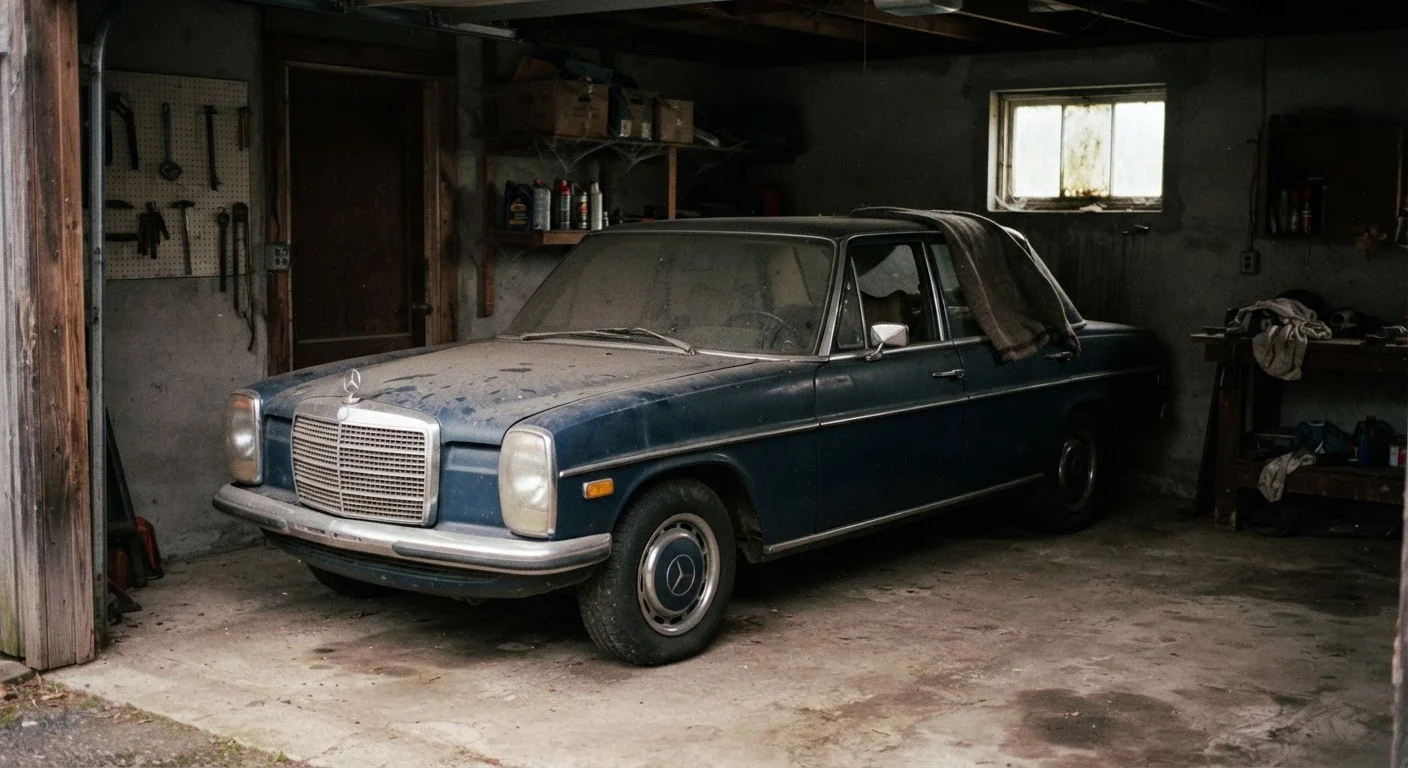
It's easy to assume that a car sitting in the driveway is a car that isn't wearing out. But inactivity creates its own set of problems - some of them serious. Fluids absorb moisture and lose their protective properties over time. Rubber seals dry out and crack. Brake rotors develop surface rust. Batteries slowly discharge with no driving to recharge them.
Manufacturers design vehicles for regular use. When a car sits for weeks or months, systems that rely on circulation - oil, coolant, fuel - can degrade faster than mileage alone would suggest. That's why your owner's manual almost always lists service intervals in both miles and time - whichever comes first.
Understanding what actually happens when a car sits helps you take the right steps to prevent it. The good news: most of these problems are easy to head off with a simple routine.
The Biggest Threats to a Rarely Driven Car
Before diving into what to do, it helps to know what you're protecting against. These are the most common issues that develop when a vehicle goes long stretches without use:
- Battery discharge: Car batteries lose charge even when nothing is running. Parasitic draw and natural self-discharge can kill a battery in as little as four to six weeks of inactivity.
- Tire flat spots: When a car sits in one position, the tires can develop temporary flat spots where they contact the ground. In cold weather, this is more pronounced.
- Brake corrosion: Surface rust forms quickly on brake rotors - sometimes overnight. Light surface rust usually clears after a few careful stops, but deeper corrosion can reduce braking performance.
- Fuel degradation: Gasoline begins to break down after about 30 days, leaving gummy residue that can clog fuel injectors and harm the fuel system.
- Dry-rotted rubber: Belts, hoses, and seals need moisture and movement to stay pliable. Extended inactivity accelerates cracking and stiffening.
These aren't worst-case scenarios - they're routine findings on vehicles that get skipped for a month or two at a time. Knowing they exist is the first step toward preventing them.
Best Practices for Keeping an Infrequently Driven Car in Shape
Drive the car for at least 20-30 minutes every two to three weeks.
Short trips don't fully warm up the engine or recharge the battery. A longer drive circulates fluids, burns off moisture that accumulates in the exhaust and oil, and keeps the battery at a healthy charge. It also works the brakes enough to clear light surface rust from the rotors.
Follow time-based oil change intervals, not just mileage.
Motor oil breaks down through heat cycles and oxidation even when the car isn't driven much. Most manufacturers recommend changing oil at least once a year regardless of mileage. Old oil loses its ability to lubricate and protect internal engine components. See what actually happens when you skip an oil change for a detailed breakdown.
Use a battery maintainer if the car sits for more than two weeks at a time.
A battery maintainer (sometimes called a trickle charger) keeps the battery at a full charge without overcharging it. This extends battery life significantly and ensures the car will start reliably when you need it. It's a low-cost tool that prevents one of the most common inactivity-related failures.
Check tire pressure monthly, even when the car isn't moving.
Tires lose about one PSI per month naturally, and temperature swings accelerate that loss. Underinflated tires increase the risk of flat spots and uneven wear, and they're unsafe to drive on. A quick check with an inexpensive gauge takes less than five minutes. Tire pressure, tread, and rotation are worth understanding together.
Keep the fuel tank at least half full when storing the vehicle.
A fuller tank leaves less air space for condensation to form inside the tank, which reduces moisture contamination of the fuel. It also helps prevent fuel pump wear, since many fuel pumps use gasoline for cooling. For storage beyond 30 days, consult your owner's manual about fuel stabilizer use.
Beyond the practices above, it's worth revisiting habits that quietly shorten a car's life - some of them become more damaging when a vehicle is already sitting longer than usual.
Quick Actions You Can Take Right Now
If your car has been sitting for a while and you're not sure where things stand, a qualified mechanic can quickly assess battery health, brake condition, and fluid quality - often in a single inspection visit.
Keeping Track So Nothing Slips
One underrated tool for low-mileage car owners is a simple maintenance log. Because your odometer isn't climbing quickly, it's easy to lose track of how long it's been since your last oil change, tire rotation, or brake inspection. Recording service dates - not just mileage - closes that gap.
A basic service log doesn't need to be complicated. A notepad in the glove box or a notes app on your phone works fine. What matters is dating every service so you can see at a glance whether you're due - regardless of how many miles you've driven.
Low-mileage cars can stay in excellent condition for years with the right attention. The key shift is thinking in terms of time, not just distance. Pair that mindset with a few periodic checks and short drives, and most storage-related problems never get a chance to develop.