

| Number of key fluids | 6 (oil, coolant, brake, transmission, power steering, washer fluid) |
| Brake fluid replacement | Typically every 2 years or per manufacturer interval (Varies by vehicle - check owner's manual) |
| Coolant mixture | Usually 50% water, 50% ethylene glycol |
| Where to find service intervals | Your vehicle's owner's manual |
| Electric power steering | No power steering fluid reservoir required (Common in many vehicles made after ~2010) |
Why Car Fluids Matter
Your car is essentially a system of controlled heat, pressure, and moving parts - and fluids are what keep all of those forces from destroying each other. They lubricate, cool, pressurize, and clean critical components throughout your vehicle. When any one of them runs low or degrades, performance suffers and damage can follow.
You don't need to be a mechanic to stay on top of your car's fluids. Understanding what each one does, where to find it, and when it needs attention is enough to catch small problems before they become expensive ones. For a broader look at keeping your vehicle in good shape, see the Car Maintenance hub.
| Number of key fluids | 6 (oil, coolant, brake, transmission, power steering, washer fluid) |
| Brake fluid replacement | Typically every 2 years or per manufacturer interval (Varies by vehicle - check owner's manual) |
| Coolant mixture | Usually 50% water, 50% ethylene glycol |
| Where to find service intervals | Your vehicle's owner's manual |
| Electric power steering | No power steering fluid reservoir required (Common in many vehicles made after ~2010) |
The Six Fluids Every Driver Should Know
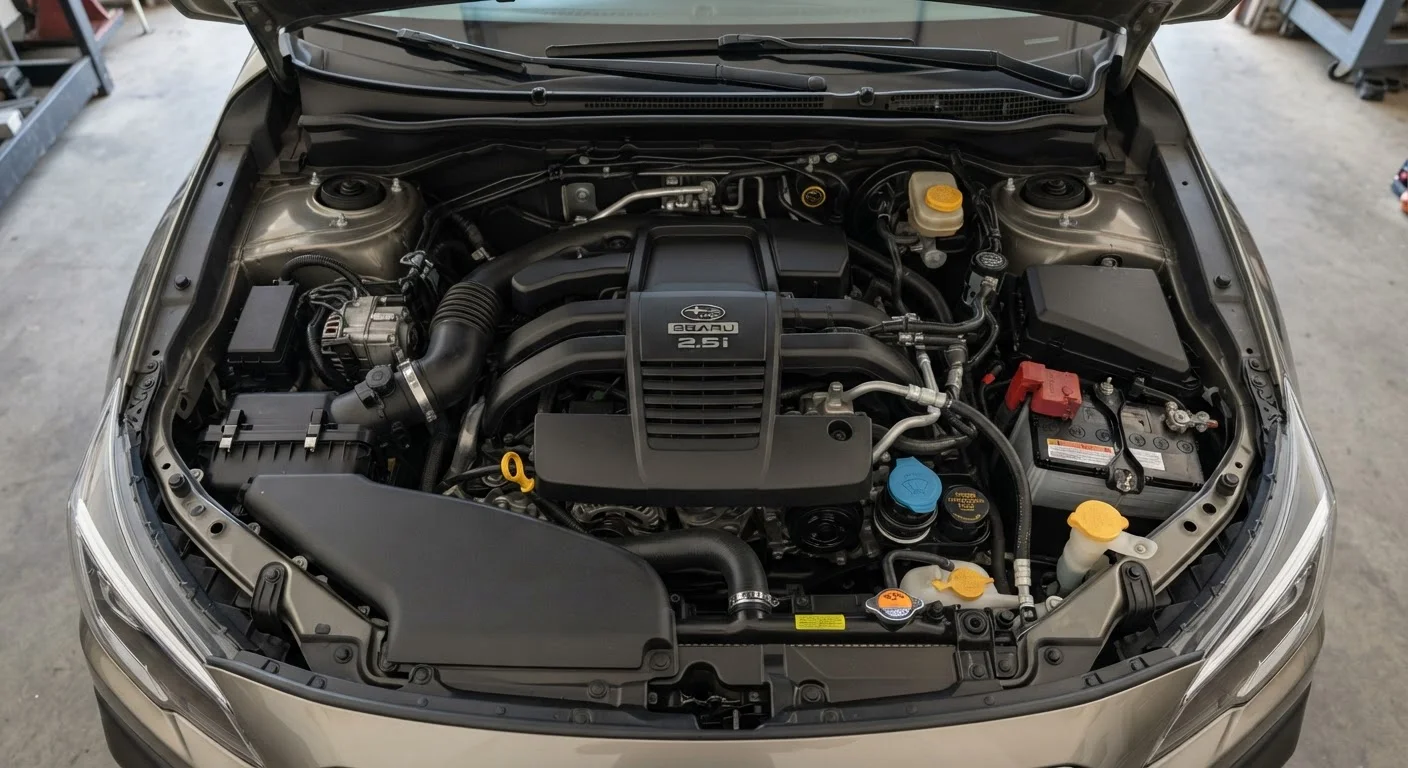
Most passenger vehicles use these six fluids. Each serves a distinct purpose, and each has its own service interval and warning signs when something's wrong.
Engine Oil
Engine oil lubricates the hundreds of metal parts moving inside your engine, reducing friction and carrying away heat. It also holds combustion byproducts in suspension until your next oil change. Over time, oil breaks down and becomes less effective - which is why regular changes matter. Check your owner's manual for the correct viscosity grade and service interval for your specific vehicle. Oil myths are common; the maintenance myths article addresses several outdated rules you may have heard.
Coolant (Antifreeze)
Coolant circulates through your engine and radiator to regulate temperature - preventing overheating in summer and freezing in winter. Most modern coolant is a 50/50 mix of water and ethylene glycol. It needs to be flushed periodically because it becomes acidic over time and can corrode internal components.
Brake Fluid
Brake fluid transmits the force from your foot on the pedal through the hydraulic brake lines to the calipers at each wheel. It absorbs moisture from the air over time, which lowers its boiling point and can cause spongy brake feel. Most manufacturers recommend replacing it every two years or per mileage interval. Because brake failure is a serious safety risk, always have a qualified mechanic inspect the brake system if you notice any change in pedal feel. If your brake warning light comes on, the dashboard warning lights guide can help you interpret what it means.
Transmission Fluid
Transmission fluid lubricates gears and hydraulic components inside your transmission, whether it's an automatic, manual, CVT, or DCT. Automatic transmissions are especially sensitive to fluid condition. Low or degraded fluid can cause rough shifting, slipping, or long-term gear damage. Check the transmission types guide if you're unsure what kind of transmission your car has - service intervals differ by type.
Power Steering Fluid
Most older vehicles use hydraulic power steering, which relies on pressurized fluid to make turning the wheel easier. Many newer vehicles use electric power steering and don't have this reservoir at all. If your steering feels stiff or you hear a whine when turning, low power steering fluid may be the cause.
Windshield Washer Fluid
This one won't affect your engine, but running out mid-drive can genuinely impair visibility. Use a washer fluid rated for your climate - plain water freezes and can crack the reservoir in cold temperatures.
Before any long drive, a quick under-hood check of these fluids is a smart habit. The road trip safety checklist walks through a full pre-departure inspection routine.
Reading the Warning Signs
Fluid problems usually give you advance notice before causing serious damage. Here are common signs that something may be off:
- Dark, gritty engine oil on the dipstick - time for a change
- Sweet smell or white steam from the engine bay - potential coolant leak
- Spongy or soft brake pedal - brake fluid may be low or contaminated
- Rough or delayed shifting - possible transmission fluid issue
- Stiff or noisy steering - check power steering fluid level
When in doubt, have a qualified mechanic inspect the vehicle. Fluid leaks in particular should not be ignored - a fluid maintenance overview can help you understand service schedules and what each fluid inspection involves.
This article is for general informational purposes. Always consult your vehicle's owner's manual and a qualified mechanic for maintenance decisions specific to your car.