

Key Takeaways
Brake Squeal
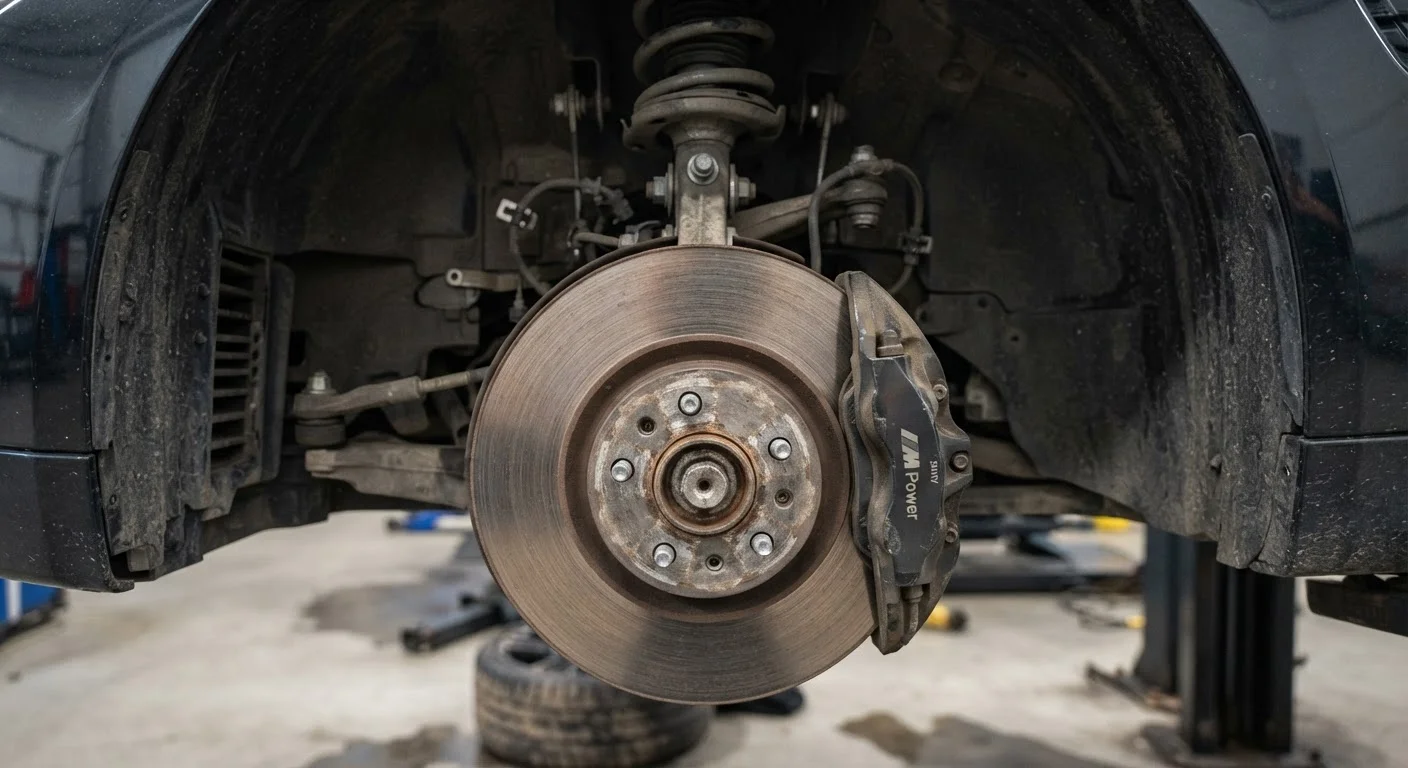
Brake squeal is a high-pitched noise that occurs when your brake pads make contact with the rotor (the metal disc that spins with your wheel). It can be caused by anything from morning moisture to worn-out pads. Not all squealing means something is broken, but certain sounds are a clear signal that something needs attention.
Most modern brake pads include a small metal tab called a wear indicator that intentionally squeals when pad material wears thin - typically below 2-3mm - alerting drivers before metal-to-metal contact occurs.
The Most Common (and Harmless) Causes
If your brakes squeal for a second or two when you first pull out of the driveway, there's a good chance nothing is wrong. Overnight - particularly in humid or rainy conditions - a thin layer of surface rust develops on your brake rotors. The first few times you apply the brakes, the pads scrub that rust away, and the friction creates a brief squeal or light scraping sound. It's gone within a couple of stops and is completely normal.
Certain brake pad materials are also naturally noisier than others. Semi-metallic pads - a common choice because they handle heat well and last a long time - tend to produce more noise than ceramic or organic compounds. If your brakes have always made a little noise but stop the car crisply and consistently, the sound may simply be a characteristic of the pad type installed.
Brake dust buildup and high heat can also generate noise temporarily. If you've been driving in stop-and-go traffic or coming down a steep grade, some squealing after heavy use isn't unusual.
A Simple Listening Test Worth Doing
Pay attention to exactly when the noise happens: only on the first stop of the day, or every time you brake? Does it clear up quickly or stay throughout the drive? Noting these details before visiting a shop helps a mechanic diagnose the issue faster and gives you a clearer picture of how urgent it really is.
Sounds That Actually Signal Wear
Most modern brake pads are built with a small metal tab called a wear indicator. When the pad material wears down to a certain thickness - usually around 2-3mm - that tab contacts the rotor and creates a deliberate, high-pitched squeal. Think of it as your car's built-in reminder system.
This type of squeal tends to happen consistently every time you press the brake pedal, rather than just in the morning or after hard stops. It means your pads are getting thin and should be inspected and likely replaced in the near future. You don't need to pull over immediately, but scheduling service within the next few weeks is a smart move. Waiting too long risks damaging the rotors, which cost significantly more to replace than pads alone.
For a closer look at how all the parts in your brake system work together, see how disc brakes work.
~2-3mm
Pad thickness when wear indicators activate
Most manufacturers design wear indicators to trigger at minimum safe pad thickness, giving drivers a window to schedule service before rotor damage occurs.
1 in 5
Vehicles found to have brake issues during inspection
Industry vehicle inspection data consistently shows brake-related deficiencies are among the most common findings during routine safety checks.
When Noise Becomes a Warning You Can't Ignore
There's a meaningful difference between a squeal and a grind. A grinding noise - a harsh, metallic scraping - usually means the pad material has worn away entirely and the metal backing plate is now making direct contact with the rotor. That's a more urgent problem. Metal-on-metal contact damages rotors quickly and reduces braking effectiveness.
Other red flags go beyond sound. If the car pulls to one side when you brake, if the pedal feels soft or spongy, or if stopping distances seem longer than normal, those are signs that something is mechanically wrong - not just noisy. At that point, continuing to drive puts you and others at risk, and the vehicle should be inspected by a qualified mechanic as soon as possible.
It's also worth knowing that brake warning lights can accompany these problems. If a dashboard light illuminates alongside unusual braking behavior, check out what your dashboard warning lights mean to understand what your car is telling you.
What You Can Do - and What's Best Left to a Pro
There are a few things you can observe on your own. Listen for when the noise happens - only in the morning, or every single time you brake? Does it clear up after a stop or two, or persist throughout your drive? Does it come with any change in how the pedal feels or how quickly the car stops? Your answers to those questions give a mechanic useful information and help you decide how urgent the situation is.
What you shouldn't do is attempt to diagnose or repair brake components yourself without proper training and tools. Brakes are a safety-critical system, and even seemingly minor mistakes during pad or rotor replacement can have serious consequences. If you're hearing consistent squealing every time you brake - especially if it's new - having a mechanic do a visual inspection is the right call. Many shops will inspect brake condition at no charge during routine service visits.
For help understanding any other warning signs your car might be sending, learn what your dashboard warning lights are actually telling you.