

Key Takeaways
N-P-K Ratio
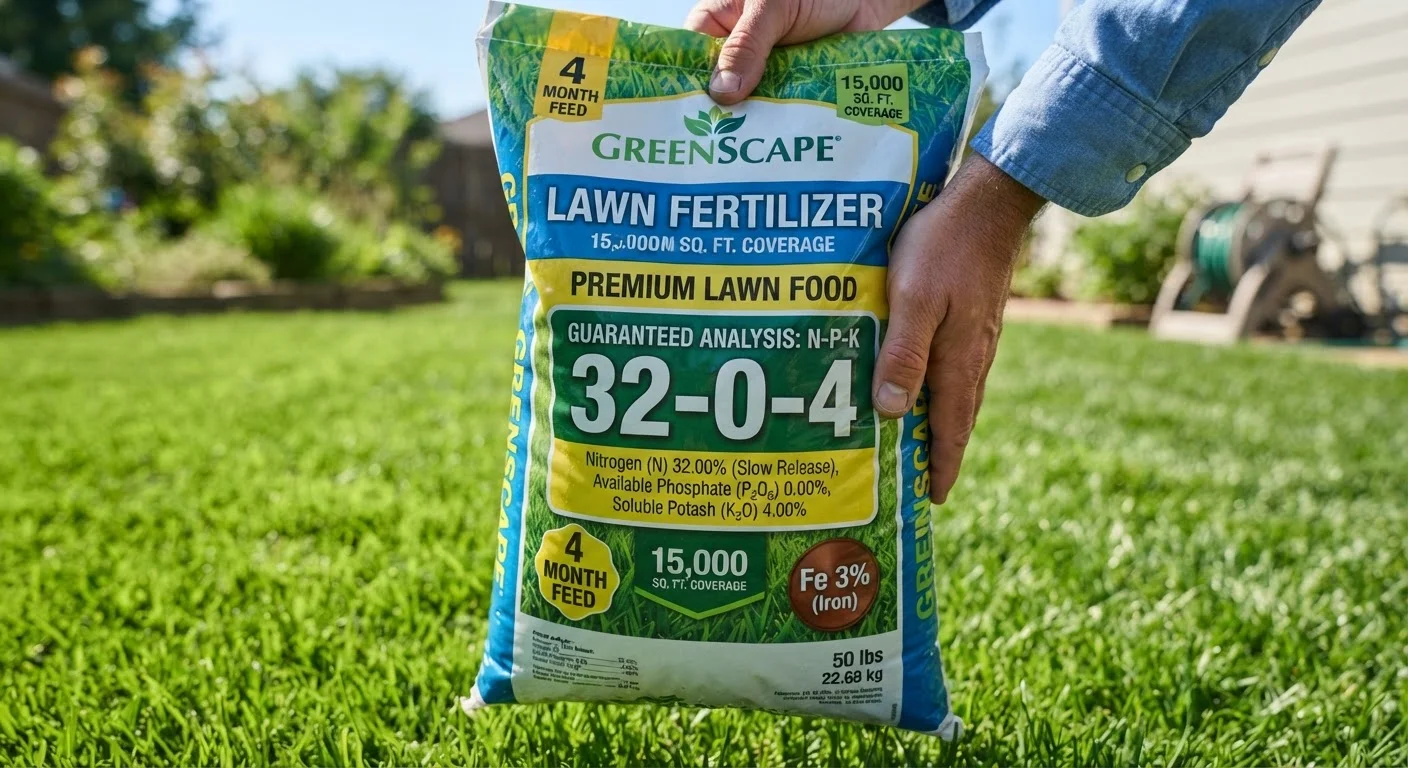
The N-P-K ratio is the three-number code printed on every fertilizer bag - for example, 28-0-6. Each number represents the percentage by weight of nitrogen (N), phosphorus (P), and potassium (K) in that product. These three macronutrients do different jobs for your grass, and knowing what each one does helps you pick a formula that matches what your lawn actually needs.
The percentages reflect available nutrient content, not raw ingredient weight. A 10-lb bag labeled 28-0-6 contains roughly 2.8 lbs of elemental nitrogen and 0.6 lbs of potassium oxide (K₂O), which is how potassium is measured on labels per AAPFCO standards.
Breaking Down the Three Big Numbers
Every fertilizer bag sold in the United States is required by law to display a guaranteed analysis - a panel that tells you exactly what nutrients are inside and in what quantities. The most prominent piece of that panel is the N-P-K ratio, three numbers separated by dashes.
Here's what each one does:
- Nitrogen (N) - first number: Fuels leafy, green growth and gives grass its deep color. A lawn that looks pale or grows slowly in the active season is often low in nitrogen.
- Phosphorus (P) - second number: Supports root development and is especially important for establishing new grass. Many established lawns don't need added phosphorus, which is why some lawn fertilizers show a zero in the middle position (e.g., 32-0-10).
- Potassium (K) - third number: Strengthens the plant's overall resilience - helping it handle drought, disease, and cold temperatures more effectively.
A bag labeled 28-0-6 contains 28% nitrogen, 0% phosphorus, and 6% potassium. The remaining 66% is typically filler or carrier material that helps spread the product evenly.
Always Calibrate Your Spreader First
Even the right fertilizer formula can cause damage if applied unevenly or in excess. Before each application, check your spreader's settings against the label's recommended rate - usually expressed in pounds per 1,000 square feet. Many manufacturers publish calibration guides for common spreader brands.
What Else the Label Tells You
Beyond N-P-K, the guaranteed analysis panel lists secondary nutrients and micronutrients when they're present in meaningful amounts. These include calcium, magnesium, sulfur, iron, and manganese. Iron, for example, can temporarily deepen grass color without pushing excessive top growth - something you'll see marketed on labels for summer applications.
The label also tells you the nitrogen source, which matters more than many homeowners realize. Nitrogen can come in several forms:
- Water-soluble (fast-release): Works quickly but can burn grass if over-applied and washes away faster.
- Water-insoluble or controlled-release: Feeds gradually over weeks, reducing burn risk and the need for frequent applications.
- Urea-based: A common and effective nitrogen form that converts to plant-available nitrogen after soil microbes process it.
Checking the nitrogen breakdown on the label (often listed as percentages of each type) helps you predict how quickly the product will act and how often you'll need to reapply. This connects directly to timing your applications seasonally, since fast-release nitrogen applied in summer heat is a common source of fertilizer burn.
Using the Label to Match Product to Need
The N-P-K ratio is most useful when paired with actual knowledge of your soil. Without a soil test, you're essentially guessing. A test from your local cooperative extension service costs very little and tells you exactly which nutrients your soil is deficient in - eliminating wasted spending on nutrients you don't need. It also reveals your soil pH, which directly affects whether grass can absorb the nutrients you apply. See our guide to soil pH and nutrient uptake to understand that connection.
If a soil test isn't in reach yet, some general patterns can guide you:
- For established lawns in active growth: look for a higher first number (nitrogen) with little or no phosphorus.
- For new seeding or sodding: some phosphorus (second number) supports early root establishment. See what's involved in laying a new lawn before choosing a starter formula.
- For fall applications on cool-season grasses: a formula higher in potassium (third number) supports winter hardiness.
Phosphorus Restrictions in Some States
Several states - including Minnesota, Michigan, and parts of the Mid-Atlantic - restrict or prohibit the use of phosphorus fertilizers on established lawns due to water quality concerns. Check your state's department of agriculture website or local extension office before purchasing a product with a non-zero middle number.
Once you understand what the label is communicating, you're better positioned to compare product types. Our article on organic vs. synthetic fertilizers walks through how formulation type affects both soil health and application strategy.