

Key Takeaways
Dietary Fiber
Dietary fiber is the indigestible part of plant foods - think the stringy parts of celery, the skin of beans, or the bran of whole grains. Unlike carbohydrates that get broken down for energy, fiber passes largely intact through your digestive system. Along the way it performs a remarkable range of jobs, from keeping digestion on track to feeding beneficial gut bacteria.
Fiber is classified as either soluble (dissolves in water to form a gel-like substance) or insoluble (adds bulk to stool). Both types are found in most plant foods and serve distinct but complementary physiological roles.
Why Fiber Matters More Than Most People Realize
Fiber rarely gets the spotlight that protein or healthy fats do, yet evidence consistently links adequate fiber intake to a wide range of health benefits - from cardiovascular health to blood sugar stability to a thriving gut microbiome. Understanding what fiber actually does helps explain why closing the intake gap is worth paying attention to.
When soluble fiber dissolves in water inside the digestive tract, it forms a viscous gel that slows the absorption of glucose. This can help moderate blood sugar spikes after meals. Soluble fiber also binds to bile acids - compounds made partly from cholesterol - and carries them out of the body, which may support healthier LDL cholesterol levels over time.
Insoluble fiber works differently. It doesn't dissolve but instead increases the bulk and softness of stool, supporting regular bowel movements and reducing the time waste spends in the colon. This mechanical role is important for everyday digestive comfort.
Perhaps the most active area of fiber research involves the gut microbiome - the community of trillions of microorganisms living in the large intestine. Many of these bacteria ferment fiber into short-chain fatty acids, compounds that appear to support intestinal lining integrity and may have broader effects on inflammation and immune function. To learn how fiber fits alongside other dietary building blocks, see our overview of macronutrients.
~15g
Average daily fiber intake for U.S. adults
Dietary surveys consistently show average American adults consume around 15 grams of fiber daily - roughly half the general recommended amounts.
Less than 10%
U.S. adults meeting vegetable intake recommendations
According to CDC data, fewer than one in ten American adults consume the recommended amount of vegetables - a key driver of the fiber shortfall.
15-16g
Fiber in one cup of cooked lentils
Legumes like lentils are among the most fiber-dense everyday foods, making them one of the most efficient ways to raise daily fiber intake.
The Fiber Gap: Where Americans Fall Short
Despite decades of public health messaging, dietary surveys consistently find that most American adults fall far short of recommended fiber intakes. The primary driver isn't a lack of willpower - it's the structure of the typical American diet, which skews heavily toward processed and refined foods that have had much of their original fiber removed.
Refined grains are a central part of this picture. When whole grains are milled into white flour or white rice, the fiber-rich bran and germ layers are stripped away, leaving a product that digests quickly but contributes little fiber. Similarly, processed snack foods, fast food, and many packaged convenience items provide calories with minimal fiber content.
Low fruit and vegetable intake is another contributing factor. Fewer than one in ten American adults meet federal vegetable intake recommendations, according to data from the Centers for Disease Control and Prevention. Since vegetables, fruits, and legumes are among the most concentrated natural fiber sources, this shortfall has a direct effect on overall fiber consumption.
The good news is that the gap can be narrowed through practical, sustainable food choices - not extreme dietary overhauls. Diets that completely eliminate food groups, as explored in this piece on elimination diets, can actually worsen fiber intake if fiber-containing grains or legumes are removed without thoughtful substitution.
Everyday Foods That Deliver Meaningful Fiber
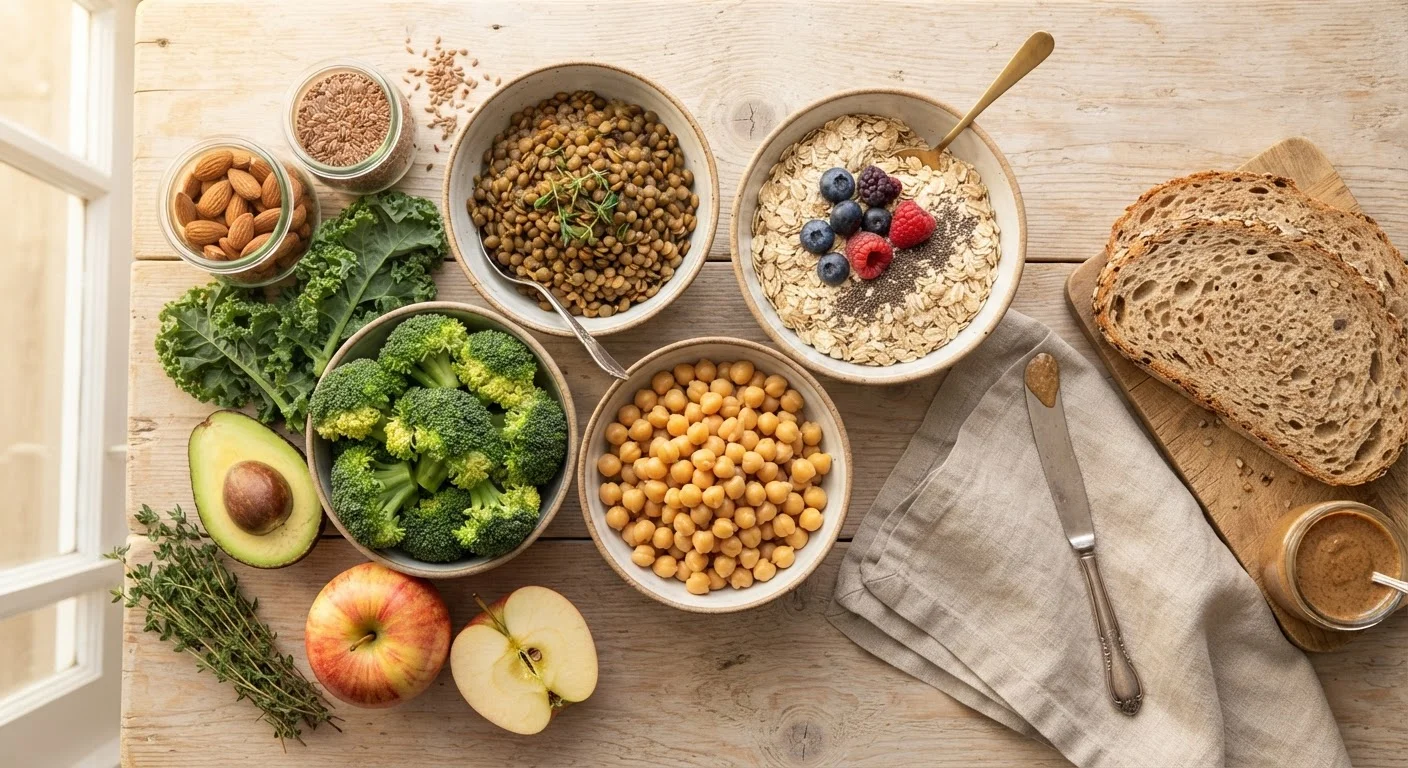
Closing the fiber gap doesn't require exotic ingredients. The most fiber-dense foods are also among the most affordable and accessible items in any grocery store. Legumes - lentils, black beans, chickpeas, split peas - are exceptional sources and are among the most economical proteins available. One cooked cup of lentils provides roughly 15 to 16 grams of fiber.
Whole grains are another reliable vehicle. Oats, barley, whole wheat bread, brown rice, and quinoa all retain their fiber-rich bran layer. Swapping refined grain products for whole grain versions is one of the more straightforward ways to increase daily fiber without significantly changing eating patterns.
Vegetables and fruits contribute fiber alongside vitamins, minerals, and antioxidants. Broccoli, Brussels sprouts, carrots, and artichokes are particularly fiber-dense among vegetables. Apples, pears, raspberries, and avocados are strong fruit sources. Eating the whole fruit rather than juice preserves the fiber that juicing removes.
Nuts and seeds - almonds, chia seeds, flaxseeds - add moderate amounts of fiber along with healthy fats. For readers interested in building a fiber-rich diet without a high grocery bill, eating well on a budget outlines practical strategies for maximizing nutritional value at lower cost.
Adding Fiber Gradually - and Sensibly
One practical caution: significantly increasing fiber intake very quickly can cause temporary bloating, gas, or cramping as the gut microbiome adjusts. The standard guidance is to increase fiber-rich foods gradually over several weeks and to drink adequate water throughout the day, since fiber absorbs water as it moves through the digestive tract.
Fiber supplements - powders and capsules containing isolated fiber such as psyllium husk - are available and may help some people, but they are not a straightforward substitute for food sources. Whole plant foods deliver fiber alongside a matrix of other nutrients that supplements do not replicate. For a broader view of micronutrients that work alongside fiber in the diet, see our guide to vitamins and minerals.
Individuals with specific digestive conditions - such as irritable bowel syndrome or inflammatory bowel disease - may have different tolerances for fiber types and amounts. Anyone managing a digestive health condition should discuss dietary changes with a qualified healthcare professional rather than applying general guidance.
This article is for general informational and educational purposes only and is not a substitute for professional medical or nutritional advice. Speak with a qualified healthcare provider or registered dietitian about dietary choices appropriate for your individual health needs.