

| Number of essential vitamins | 13 (Established by nutritional science consensus) |
| Fat-soluble vitamins | A, D, E, K |
| Water-soluble vitamins | C and 8 B vitamins |
| Most common U.S. mineral shortfall | Calcium, magnesium, potassium, iron (Dietary Guidelines for Americans) |
| Vitamin most linked to sun exposure | Vitamin D |
| Best dietary source of selenium | Brazil nuts (1-2 per day meets daily needs) (NIH Office of Dietary Supplements) |
Why Micronutrients Matter
Vitamins and minerals - collectively called micronutrients - are compounds the body needs in relatively small amounts but cannot do without. Unlike macronutrients (proteins, carbohydrates, and fats), micronutrients don't supply energy directly. Instead, they enable the biochemical reactions that keep every system in your body running: building bone, supporting immunity, converting food into usable fuel, and regulating mood, among dozens of other roles. For a broader introduction to how these pieces fit together, see our beginner's map to nutrition science.
Deficiencies can develop subtly - fatigue, poor wound healing, and weakened immunity are common early signs - while excessive intake of certain nutrients (especially fat-soluble vitamins and some minerals) can cause harm. The goal is adequacy, not maximalism.
Micronutrient
A vitamin or mineral required by the body in small amounts to support normal physiological functions. Unlike macronutrients, micronutrients do not provide calories.
Fat-soluble vitamin
Vitamins A, D, E, and K, which dissolve in fat and are stored in body tissue. Because they accumulate, excessive intake over time can reach harmful levels.
Water-soluble vitamin
Vitamins C and the B-complex group, which dissolve in water and are not stored in significant amounts. They must be replenished regularly through diet.
Heme iron
A form of dietary iron found in animal-based foods such as red meat, poultry, and fish. It is absorbed by the body more efficiently than non-heme iron from plant sources.
Antioxidant
A compound - including certain vitamins and minerals - that helps neutralize unstable molecules called free radicals, reducing oxidative stress on cells.
Trace mineral
A mineral the body needs in very small quantities, such as iron, zinc, selenium, and iodine. Despite the small amounts needed, deficiencies can have significant health consequences.
The Fat-Soluble Vitamins: A, D, E, and K
Fat-soluble vitamins are stored in body fat and the liver, meaning they accumulate over time and don't need to be consumed every single day - but overconsumption carries more risk than with water-soluble types.
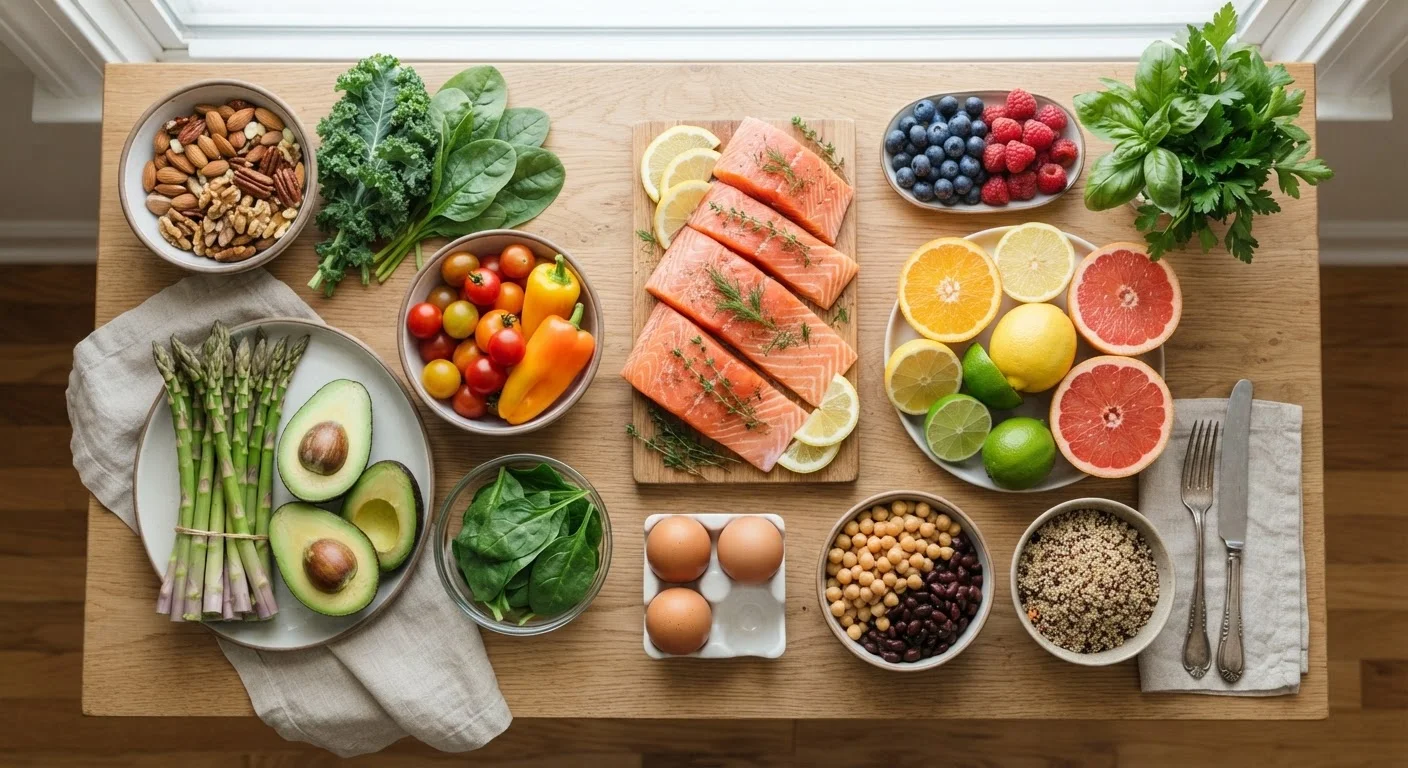
- Vitamin A - Supports vision (especially low-light), skin integrity, and immune defense. Found in liver, dairy, and eggs; the body also converts beta-carotene (in carrots, sweet potatoes, and leafy greens) into vitamin A.
- Vitamin D - Critical for calcium absorption, bone density, and immune regulation. Synthesized in skin exposed to sunlight; dietary sources include fatty fish, fortified dairy, and egg yolks. Many Americans have low levels, particularly in northern latitudes and during winter months.
- Vitamin E - Acts as an antioxidant, protecting cell membranes from oxidative damage. Found in nuts, seeds, wheat germ oil, and leafy greens.
- Vitamin K - Essential for blood clotting (K1) and bone metabolism (K2). K1 is abundant in dark leafy greens like kale and spinach; K2 is found in fermented foods and some animal products.
The Water-Soluble Vitamins: C and the B Complex
Water-soluble vitamins are not stored in large quantities; excesses are excreted in urine, which reduces toxicity risk but means consistent dietary intake is important.
| Number of essential vitamins | 13 (Established by nutritional science consensus) |
| Fat-soluble vitamins | A, D, E, K |
| Water-soluble vitamins | C and 8 B vitamins |
| Most common U.S. mineral shortfall | Calcium, magnesium, potassium, iron (Dietary Guidelines for Americans) |
| Vitamin most linked to sun exposure | Vitamin D |
| Best dietary source of selenium | Brazil nuts (1-2 per day meets daily needs) (NIH Office of Dietary Supplements) |
- Vitamin C - An antioxidant that supports immune function, collagen synthesis, and iron absorption. Citrus fruits, bell peppers, strawberries, and broccoli are excellent sources.
- B1 (Thiamine) - Helps convert carbohydrates into energy; supports nerve function. Found in whole grains, legumes, and pork.
- B2 (Riboflavin) - Involved in energy metabolism and cellular growth. Dairy, eggs, lean meats, and almonds are rich sources.
- B3 (Niacin) - Supports energy production and DNA repair. Found in poultry, fish, peanuts, and fortified grains.
- B6 (Pyridoxine) - Needed for protein metabolism and neurotransmitter synthesis. Found in poultry, fish, bananas, and chickpeas.
- B9 (Folate) - Critical for DNA synthesis and cell division; especially important during early pregnancy. Abundant in dark leafy greens, legumes, and fortified grains.
- B12 (Cobalamin) - Supports nerve function and red blood cell formation; found almost exclusively in animal products, making it a key concern for vegans.
- Biotin and Pantothenic Acid - Both involved in energy and fat metabolism; widely distributed across eggs, meat, avocados, and whole grains.
If you're unsure whether your diet consistently covers these, this balanced look at dietary supplements can help you weigh the options.
Key Minerals and Where to Find Them
Minerals are inorganic elements absorbed from food and water. They are grouped as macrominerals (needed in larger amounts, such as calcium and magnesium) and trace minerals (needed in smaller quantities, such as iron and zinc).
- Calcium - The most abundant mineral in the body; essential for bone structure, muscle contraction, and nerve signaling. Dairy products, fortified plant milks, tofu, and leafy greens are primary sources.
- Magnesium - Involved in over 300 enzymatic reactions, including energy production and blood pressure regulation. Found in nuts, seeds, legumes, and whole grains.
- Potassium - Regulates fluid balance and heart rhythm. Bananas, potatoes, beans, and dairy are good sources.
- Iron - Carries oxygen in the blood via hemoglobin. Heme iron (from red meat and poultry) is absorbed more efficiently than non-heme iron (from legumes and fortified cereals). Pairing non-heme iron sources with vitamin C improves absorption.
- Zinc - Supports immune function, wound healing, and taste and smell. Found in oysters, red meat, poultry, beans, and pumpkin seeds.
- Selenium - An antioxidant mineral important for thyroid function. Brazil nuts are an exceptionally concentrated source; seafood and whole grains also contribute.
- Iodine - Required for thyroid hormone production. Iodized salt and seafood are the main dietary sources in the U.S.
For context on how these nutrients show up on product packaging, our guide on what the nutrition label is actually telling you breaks down daily value percentages and serving size conventions.
This article is for general informational and educational purposes only and is not a substitute for professional medical or nutritional advice. Consult a qualified healthcare provider before making significant changes to your diet or considering supplementation.