

Key Takeaways
Start here
How Long a Car Battery Actually Lasts
Next
Warning Signs Your Battery Is Failing
Then
What Shortens a Battery's Life
When you're ready
How to Replace a Car Battery Safely
Finally
Keeping the Next Battery Healthy
How Long a Car Battery Actually Lasts
The standard rule of thumb is three to five years for a conventional lead-acid car battery. That range isn't a guarantee - some batteries fail at two years, others push past six. The actual lifespan depends on your climate, how often you drive, and how well the charging system keeps the battery topped off.
Absorbed Glass Mat (AGM) batteries, which are common in newer vehicles with start-stop systems, tend to last a bit longer than traditional flooded lead-acid batteries. Check your owner's manual to confirm which type your vehicle uses - they're not interchangeable without consulting a qualified mechanic.
A practical milestone: once your battery hits the three-year mark, start having it tested annually. Many auto parts stores offer free load testing. That simple habit can catch a weakening battery before it leaves you stranded.
Lead-acid battery
The most common type of car battery, which uses lead plates and sulfuric acid to store and deliver electrical energy. It's reliable and widely available but sensitive to extreme temperatures.
AGM battery
Absorbed Glass Mat battery - a more advanced design that handles frequent charge-discharge cycles better than standard lead-acid batteries, often found in newer vehicles with automatic start-stop systems.
Cold Cranking Amps (CCA)
A rating that indicates how much electrical current a battery can deliver in cold conditions to start the engine. Your vehicle's manual specifies the minimum CCA required.
Parasitic drain
Electrical current that continues to flow from the battery when the vehicle is off, often caused by a component that fails to shut down properly or a light left on.
Alternator
A generator driven by the engine that recharges the battery while the car is running. If the alternator fails, the battery will drain even if it's in good condition.
Load test
A diagnostic test that measures how well a battery performs under realistic electrical demand. It's more accurate than simply checking voltage and can reveal a weak battery before it fails completely.
Warning Signs Your Battery Is Failing
Your car usually gives you notice before the battery dies completely. Here are the most common signals to watch for:
- Slow engine cranking: If the engine sounds sluggish or labored when you turn the key - like it's struggling to get going - that's a classic sign the battery isn't delivering full power.
- Dimming headlights: Headlights that are noticeably dimmer than usual, especially at idle, often point to a battery that can no longer hold a charge effectively.
- Battery warning light: This light on your dashboard can indicate a battery or charging system issue. Don't assume it will resolve on its own.
- Swollen battery case: A visibly bloated or warped battery housing is a sign of internal damage, often from excessive heat. A swollen battery should be replaced promptly.
- Corrosion on terminals: A white or bluish powdery buildup around the battery terminals can interfere with the electrical connection and sometimes signals a battery that's venting gas abnormally.
If you notice more than one of these at the same time, get the battery tested as soon as possible.
What Shortens a Battery's Life
Several everyday factors quietly wear a battery down faster than normal. Understanding them helps you avoid unnecessary early replacements.
Extreme temperatures are the biggest culprit. Heat accelerates the chemical breakdown inside the battery, while cold reduces its ability to deliver power. If you live somewhere with harsh summers or winters, your battery is working harder than it would in a mild climate. Our guide on seasonal car maintenance covers what to check before conditions turn extreme.
Short trips prevent the alternator from fully recharging the battery after each start. If most of your drives are under ten minutes, the battery may gradually lose capacity over time.
Parasitic drain refers to electrical components - like a dome light left on or a failing module - that pull power from the battery even when the car is off. To understand exactly what causes this kind of hidden drain, see our article on things that quietly drain a car battery.
An aging alternator that isn't charging the battery properly will cause it to run perpetually undercharged, shortening its life considerably.
How to Replace a Car Battery Safely
Replacing a battery is a task many drivers can handle at home, but it does require care. Here's what to know before you start:
Check Your Vehicle's Battery Registration Requirement
Some vehicles - particularly European makes with advanced battery management systems - require a technician to register the new battery with the car's computer. Skipping this step can cause the charging system to behave incorrectly and shorten the new battery's life. Check your owner's manual or ask a qualified mechanic before replacing the battery yourself.
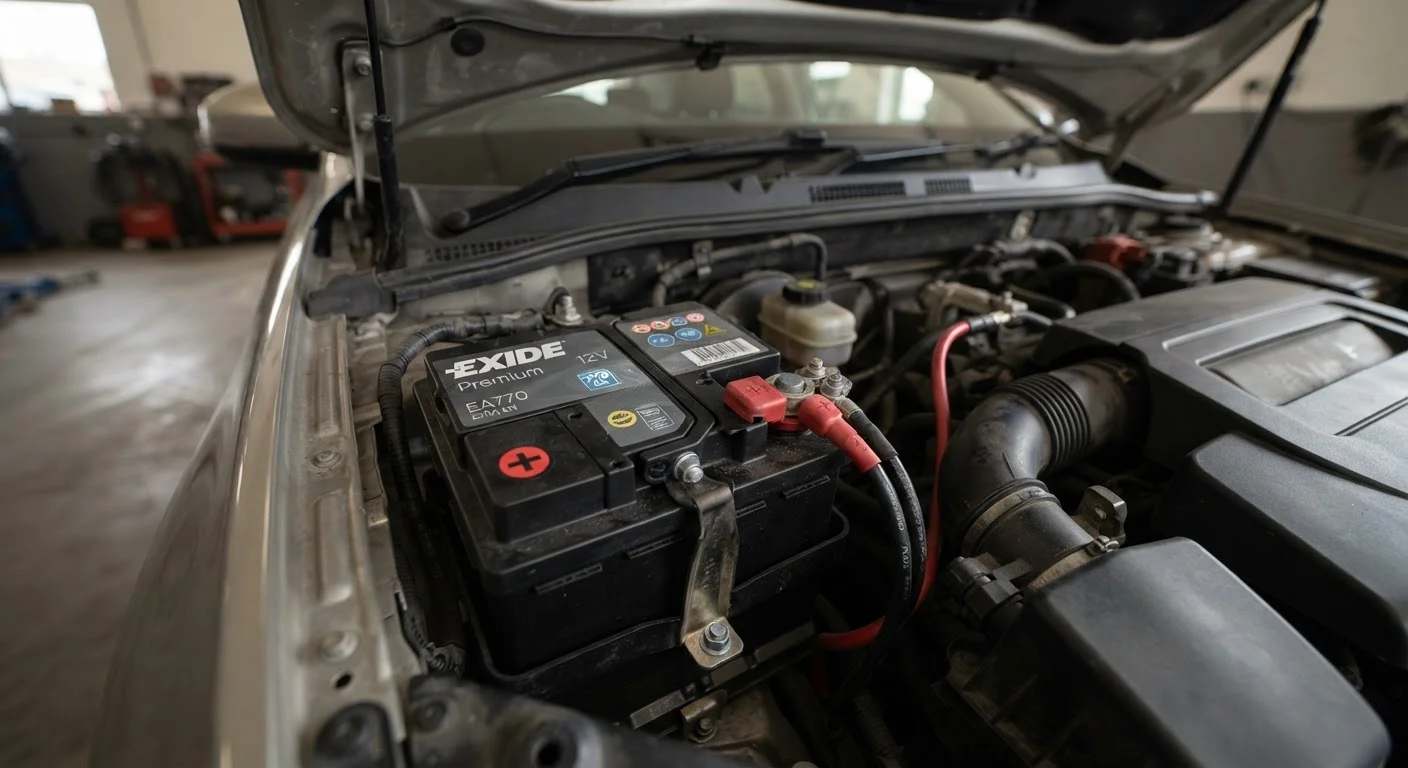
- Gather safety equipment first. Wear chemical-resistant gloves and safety glasses. Car batteries contain sulfuric acid and produce hydrogen gas - both are hazardous.
- Turn off the vehicle completely and let it sit for a few minutes before touching anything.
- Disconnect the negative cable first (marked with a minus sign or black color), then the positive. This order reduces the risk of sparks.
- Remove the old battery using the appropriate wrench for the hold-down bracket. Batteries are heavy - lift with your legs, not your back.
- Install the new battery and reconnect positive first, then negative. Make sure the terminals are snug and corrosion-free.
One important note: some modern vehicles with advanced electronics require a battery registration procedure after replacement - this resets the charging system to recognize the new battery. Your owner's manual or a qualified mechanic can confirm whether your vehicle needs this step. If you're unsure at any point, having a professional handle the replacement is the right call.
Dispose of the old battery responsibly. Most auto parts retailers and recycling centers accept used batteries - lead-acid batteries should never go in household trash.
Keeping the Next Battery Healthy
Once you've got a fresh battery in place, a few habits will help it last as long as possible.
- Try to take longer drives periodically to give the alternator time to fully recharge the battery.
- Limit the use of accessories like heated seats, phone chargers, and audio systems when the engine is off.
- Keep the terminal connections clean - a thin layer of anti-corrosion spray or terminal protector pads can help.
- Have the charging system checked whenever you notice anything unusual; a failing alternator will drain even a brand-new battery.
Routine maintenance across the whole vehicle plays a role too. Some of the habits covered in our article on maintenance habits that quietly shorten a car's life also apply to battery health. And if you drive a high-mileage vehicle, it's worth reviewing how maintenance needs shift after 100,000 miles, since aging electrical systems can place extra demands on the battery.
Staying proactive - especially after year three - is the simplest way to avoid an unexpected dead battery at an inconvenient time.