

Key Takeaways
Start here
What Solo Travel Actually Feels Like
Next
Choosing Your First Destination Wisely
Then
Safety, Logistics, and Staying Connected
After that
The Social Side of Traveling Alone
Before you go
Common Mistakes First-Time Solo Travelers Make
What Solo Travel Actually Feels Like
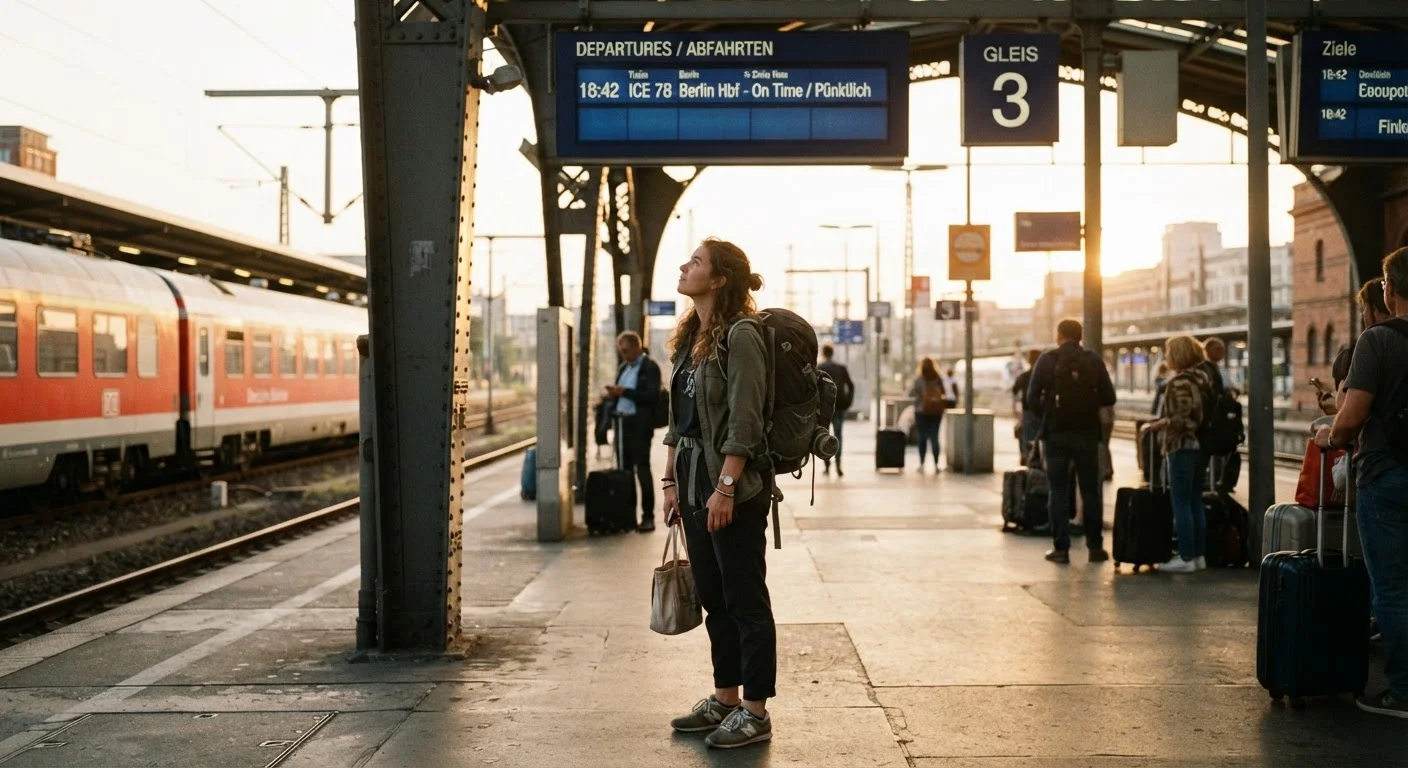
There's a particular mix of emotions that arrives the moment you clear security without anyone beside you: a flutter of nervousness, a quiet rush of freedom, and the dawning realization that every decision - where to eat, when to wander, how long to linger - is entirely yours. That combination is the essence of solo travel, and it's worth understanding before you book a single flight.
The first day of a solo trip tends to be the most disorienting. Without a companion to process the experience with, small confusions (unfamiliar transit systems, currency, local customs) feel larger. By day two or three, most first-time solo travelers report that the rhythm clicks. You become sharper, more attentive, and more resourceful than you expected to be. That shift is one of the most commonly cited rewards of the experience.
Loneliness does appear - usually over a meal you wish you could share, or during a spectacular sunset with no one to nudge. These moments are real and worth acknowledging rather than powering through. They're also temporary. Solo travel tends to oscillate between expansive solitude and unexpectedly warm connections with strangers, and that rhythm becomes its own kind of pleasure. For a full picture of what the planning process looks like end-to-end, see our complete solo travel planning guide.
Travel insurance
A policy that can reimburse you for certain unexpected costs while traveling, such as medical emergencies, trip cancellations, or lost luggage. Coverage details vary widely by policy.
Travel advisory
An official government assessment of safety conditions in a foreign country or region, typically categorized by risk level. U.S. travelers can check advisories at travel.state.gov.
Solo travel infrastructure
The combination of reliable public transport, clear signage, established tourist support services, and solo-traveler communities that make navigating a destination easier when you're on your own.
Entry requirements
The rules a country sets for who may enter, including passport validity periods, visa requirements, and any health documentation. These change and must be verified through official sources before travel.
Buffer day
An unscheduled day or half-day built into a travel itinerary to absorb delays, recover from fatigue, or take advantage of unexpected opportunities without derailing the rest of the trip.
Choosing Your First Destination Wisely
Destination choice is the highest-leverage decision a first-time solo traveler makes. A destination that matches your current comfort level turns a nerve-wracking experiment into a confidence-building success. One that's too complex for a first trip can make you swear off solo travel before you've really begun.
For most American first-timers, lower-complexity destinations share a few traits: manageable entry requirements, reliable public transit or affordable taxis, English-language signage or widespread English fluency, and an existing community of solo travelers you can tap into. Western Europe, parts of East Asia (Japan is frequently cited as a model for solo-friendly infrastructure), Canada, and major cities in Latin America are common starting points. The solo travel community tends to be most robust - and most helpful - in places that have hosted independent travelers for decades.
Cultural context matters, too. Destinations with customs significantly different from your own aren't off-limits - they're often the most rewarding - but they add a layer of preparation. Our guide to Japan's ryokan culture illustrates how a little advance knowledge transforms an unfamiliar experience into an enjoyable one. If Southeast Asia is calling, our breakdown of Thailand, Vietnam, and Indonesia for first-timers can help you think through which fits your travel style.
Safety, Logistics, and Staying Connected
Safety on a solo trip is less about avoiding danger and more about reducing unnecessary risk through preparation. The practical fundamentals are unglamorous but genuinely effective.
- Share your itinerary. Before you leave, send a trusted person at home a copy of your accommodation addresses, flight details, and a rough daily plan. Check in at agreed intervals.
- Keep documents backed up. Store digital copies of your passport, visa, travel insurance, and emergency contacts in a secure cloud location you can access from any device.
- Get travel insurance. Coverage for medical emergencies and trip interruptions is especially important when you're traveling without a companion who can help absorb unexpected costs.
- Stay aware of entry requirements. Passport validity rules, visa requirements, and health entry conditions change. Verify current requirements through your government's official travel advisory site before departure - not third-party blogs.
On the logistics side, first-time solo travelers sometimes underestimate how much cognitive load they'll carry. Every decision - transport, meals, navigation - falls to you. Building a loose daily framework (knowing where you'll sleep, how you'll get there, and one or two anchor activities) reduces that load without turning your trip into a rigid schedule. For a look at the planning missteps that most often catch new travelers off guard, our piece on common first-time international traveler mistakes is worth a read before you go.
One Phone Call That Can Save Your Trip
Before departure, contact your bank and mobile carrier. Let your bank know your travel dates and destinations so card transactions aren't flagged as fraud. Ask your carrier about international data options - having a working data plan or a local SIM is one of the most practical safety nets a solo traveler can have.
The Social Side of Traveling Alone
Contrary to what many first-timers fear, solo travel is rarely isolating for long. The solo traveler's open body language - no companion to face, no shared conversation to absorb attention - often makes you more approachable to locals and other travelers alike.
Hostels remain one of the most reliable ways to find company when you want it. Common areas, organized social events, and shared dormitories create natural mixing opportunities without requiring any effort on your part beyond showing up. Private-room hostels offer a middle ground for travelers who want social proximity without sacrificing sleep quality.
Day tours, cooking classes, walking tours, and language exchanges are equally effective for meeting people in a structured way. You share an experience, conversation starts naturally, and you part with no obligation - or occasionally with a travel companion for the next leg of the trip. Even brief exchanges - a recommendation from a café owner, a shared laugh over a missed bus - accumulate into the texture of a memorable trip. Solo travel, at its best, is not about being alone. It's about being free.
Common Mistakes First-Time Solo Travelers Make
Most first-trip mistakes fall into two categories: over-preparation and under-preparation. Both stem from anxiety, just expressed differently.
Over-planning produces itineraries so tightly scheduled that any delay - a missed train, a longer-than-expected museum visit, an unexpected invitation - feels like a crisis. Building buffer days and leaving afternoons open isn't laziness; it's smart travel design. Some of the most memorable moments of any solo trip were completely unplanned.
Under-researching entry requirements, local customs, or transportation options is equally common. Assumptions about visa rules, how currency exchange works abroad, or what's considered respectful behavior in a specific cultural context can lead to real problems. Our guide on what first-time international travelers get wrong at the border covers the specific missteps that catch people at customs and immigration.
Packing too much is nearly universal on a first solo trip. When you're carrying everything yourself, every extra pound matters. Lay out what you plan to pack, then put half of it back.
Finally, don't underestimate the mental adjustment. The freedom of solo travel can feel overwhelming before it feels liberating. That discomfort is part of the process - and on the other side of it is a version of yourself that trusts their own judgment a little more. For a broader look at planning assumptions that backfire, see our article on travel planning myths that lead to bad trips.