

Key Takeaways
Why Sacred Sites Demand a Different Kind of Preparation
Stepping into a mosque, temple, shrine, or indigenous ceremonial ground is fundamentally different from visiting a museum or a national park. These are living, active spaces where communities pray, grieve, celebrate, and connect with something larger than themselves. For visitors, that distinction matters enormously.
The challenge is that rules vary not just by religion or country, but often by specific site. A Buddhist temple in Thailand may have different photography policies than one in Myanmar. A mosque in Morocco may apply stricter dress requirements than one in a tourist-heavy corner of Istanbul. Assuming the rules you learned at one place apply everywhere is one of the most common mistakes travelers make - and one of the easiest to avoid with a little preparation.
For a broader look at planning missteps that catch travelers off guard, see things first-time international travelers often get wrong.
Best Practices for Visiting Sacred and Ceremonial Sites
The following practices apply broadly across religious traditions and indigenous cultures, though you should always research your specific destination to fill in the details.
Research the site's specific rules before you leave home
Many sacred sites publish visitor guidelines on official websites, national tourism boards, or religious institution pages. Reading these in advance prevents embarrassing - and genuinely disrespectful - mistakes that are hard to correct once you're standing at the entrance.
Dress modestly and carry a cover-up as a standard travel habit
Exposed shoulders, bare knees, or uncovered hair may be prohibited at temples, mosques, churches, and shrines across dozens of countries. Carrying a lightweight scarf or sarong lets you adapt quickly without having to purchase or borrow a covering on-site.
Ask before photographing - and accept 'no' gracefully
Photography restrictions at sacred sites protect active worshippers, preserve the sanctity of rituals, and honor beliefs about images in spiritual contexts. A posted sign, a gesture from staff, or a simple verbal 'no' is definitive - negotiating or sneaking shots is a serious breach of trust.
Follow entry rituals as directed, even if they feel unfamiliar
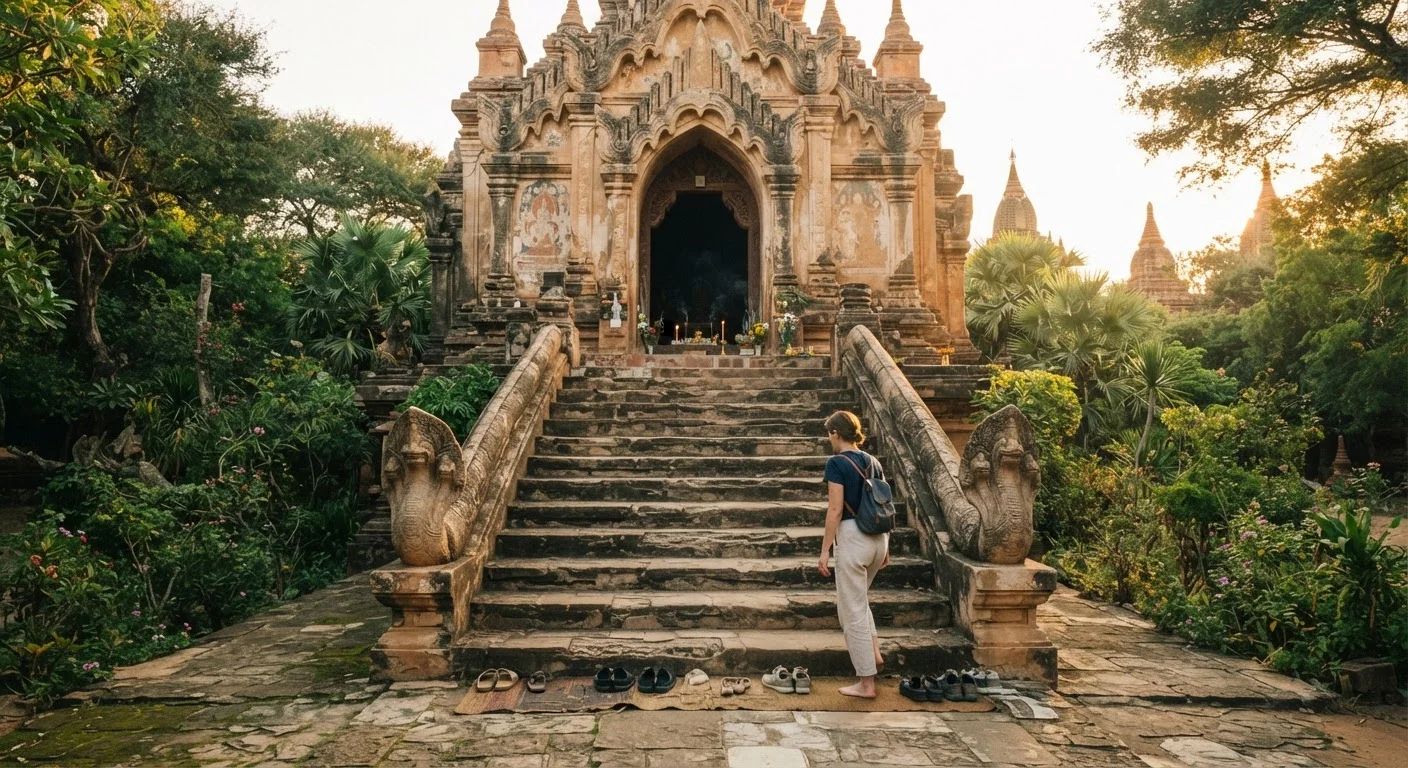
Removing shoes, washing hands at a purification fountain, or accepting a blessing from a priest are often expected courtesies rather than optional gestures. Skipping them can signal indifference and, at actively used religious sites, may interrupt or disrupt the experience for worshippers.
Keep noise and movement low in active worship spaces
Sacred sites that host ongoing prayer or ceremony require visitors to be unobtrusive. Loud conversation, ringing phones, or walking briskly through a nave or prayer hall disrupts the experience for people who are there for spiritual reasons, not tourism.
Hire a local guide with genuine cultural knowledge
A well-chosen local guide does more than point out architectural details - they can explain the living significance of a site, translate etiquette expectations, and alert you to restrictions that aren't posted in English. This investment also returns money directly to the community tied to the site.
Quick Steps You Can Take Before Your Trip
Most respectful behavior at sacred sites begins long before you arrive. These actions take only minutes but signal genuine care for the places you visit.
When sacred sites are part of a longer journey, it helps to build them thoughtfully into your daily schedule. See our guide to building a travel itinerary that actually works for how to balance cultural visits with adequate time to absorb them.
Indigenous Sacred Lands: A Special Category
Indigenous sacred sites - from canyon lands in the American Southwest to ceremonial forests in New Zealand - operate under a different framework than religious buildings open to the public. Many are not tourist attractions at all; access may be restricted, require permits, or be entirely prohibited to non-community members.
Before visiting any site with indigenous cultural significance, check whether it is open to the public and whether visitor protocols apply. Tribal or iwi authorities often publish official guidelines, and those guidelines take precedence over anything you read in a travel blog. The U.S. has its own protected heritage sites where similar principles apply - our article on what to know before visiting a UNESCO World Heritage Site in the U.S. covers the permit and access questions worth asking.
When in doubt, the most respectful action is to observe from a publicly accessible area and not attempt entry. No photograph is worth violating a community's trust or a site's legal protections.
This article provides general cultural and travel guidance. Always verify specific entry rules, legal requirements, and access protocols with official sources and local authorities before visiting any sacred or protected site.