

Key Takeaways
Summary
22 items · 30-60 minutes
Why UNESCO Sites Demand a Different Kind of Prep
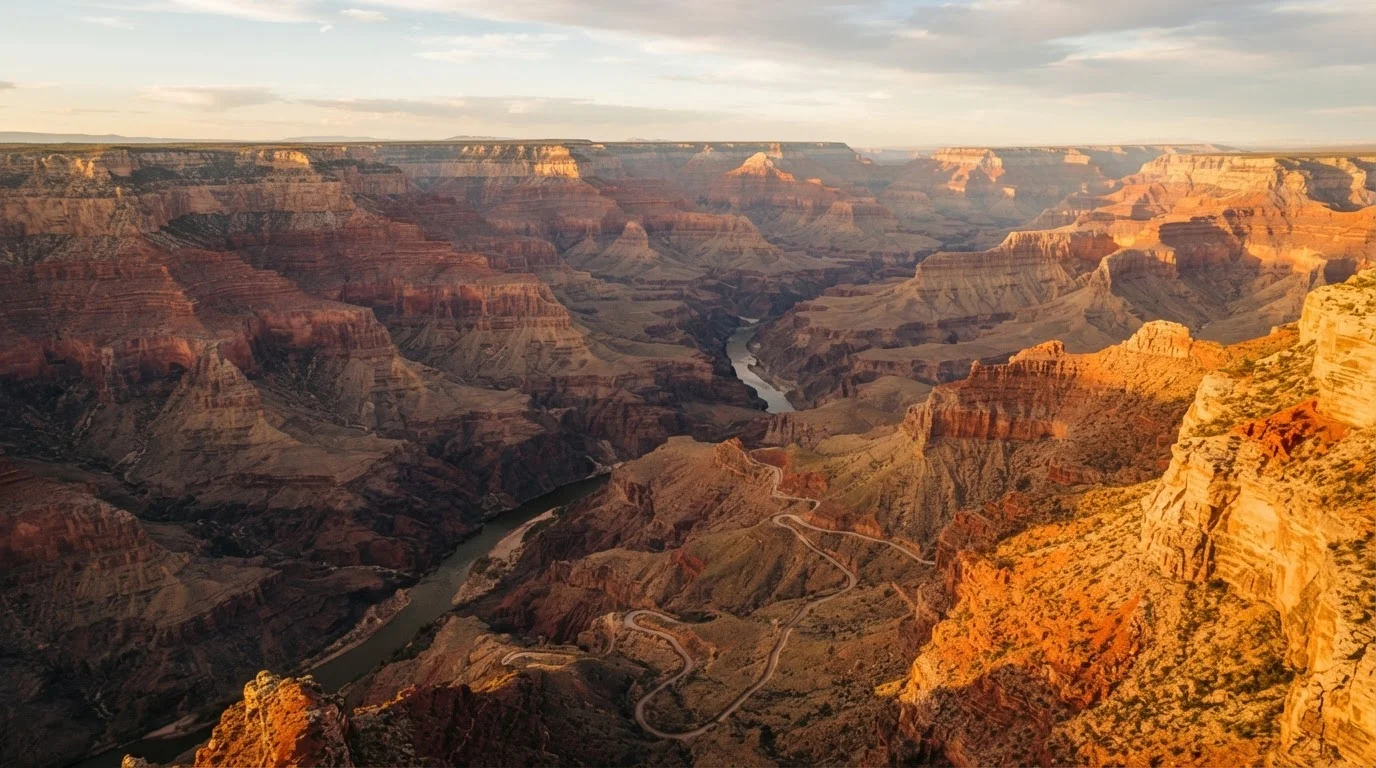
The United States is home to more than two dozen UNESCO World Heritage Sites, from the geothermal wonders of Yellowstone to the ancient pueblos of Mesa Verde and the old-growth rainforests of the Olympic Peninsula. What they share is protected status - and that protection comes with rules, restrictions, and logistical layers that a typical national park visit may not prepare you for.
Showing up unprepared can mean a turned-away vehicle at a trailhead, an unintentional cultural offense, or worse, an accidental legal violation in a federally protected zone. This checklist is designed to close those gaps before you leave home. Think of it as the due diligence that turns a good trip into a great one - and keeps these irreplaceable places intact for the next visitor.
For the broader planning framework behind any complex trip, see the key phases of trip planning - it pairs well with this site-specific prep.
Permit Windows Close Fast - Plan Weeks Ahead
At high-demand heritage sites, timed-entry permits can sell out within minutes of a release window opening - sometimes months before your intended visit. Do not assume walk-up access will be available. Check the managing agency's website for exact release dates and set a calendar reminder to log in right when the window opens. Having a flexible travel date range significantly improves your odds.
Third-Party Sites May Show Outdated Rules
Travel blogs, aggregator sites, and even popular mapping apps frequently display access rules, fees, and hours that are no longer accurate. Always verify permit requirements, entry fees, and seasonal closures directly through the official managing agency's website before finalizing your plans. A five-minute check can prevent a wasted trip.
What to Research, Reserve, and Verify
UNESCO designation is honorary - it signals global significance but does not automatically standardize how a site is managed. A U.S. UNESCO site might be administered by the National Park Service, the U.S. Forest Service, a state agency, a tribal nation, or some combination. That means the rules governing access, fees, and conduct can vary dramatically from one site to the next. Always go to the official managing agency's website, not a third-party travel aggregator, for the most current information.
Permit systems in particular have grown far more common over the past several years. Wave Hill, Muir Woods, and the Havasupai Falls area (adjacent to Grand Canyon's UNESCO zone) all use reservation-based entry. Some permits sell out within minutes of release windows opening. For guidance on how to cross-reference official entry conditions efficiently, this breakdown of interpreting official entry requirements applies the same logic domestically.
Research & Permits
Seasonal & Environmental Planning
Gear & Logistics
Cultural & Conservation Etiquette
On-Site Conduct and Conservation Etiquette
Visiting a heritage site is not the same as visiting a theme park. Many of these landscapes and structures are genuinely fragile - cave formations that took millennia to grow, petroglyphs that cannot be restored, coral reefs and old-growth ecosystems with zero tolerance for disturbance. Staying on designated trails, packing out all waste, and keeping noise levels low are baseline expectations, not suggestions.
Cultural heritage sites carry an additional layer of responsibility. Several U.S. UNESCO sites - including Chaco Culture, Taos Pueblo, and Poverty Point - are connected to living Indigenous communities with their own protocols around photography, access to certain areas, and respectful behavior. The etiquette principles in our guide to visiting sacred sites respectfully translate directly to these domestic destinations.
To build your day-by-day schedule around site-specific constraints like timed entry windows or guided-tour-only zones, this itinerary-building guide can help you structure your time without overloading it. And if you want the full pre-departure picture beyond the heritage-site specifics, our general pre-trip planning checklist covers documents, bookings, and packing fundamentals.
Removing Artifacts Is a Federal Crime
Under the Archaeological Resources Protection Act (ARPA) and other federal statutes, removing, disturbing, or defacing any natural or cultural object at a federally protected site - including rocks, fossils, pottery shards, and petroglyphs - can result in significant fines and criminal prosecution. This applies even to small items that appear insignificant. The rule is simple: photograph it, leave it exactly where it is.