

Shopping

The True Cost of Ownership: A Checklist Before Any Major Purchase

Share
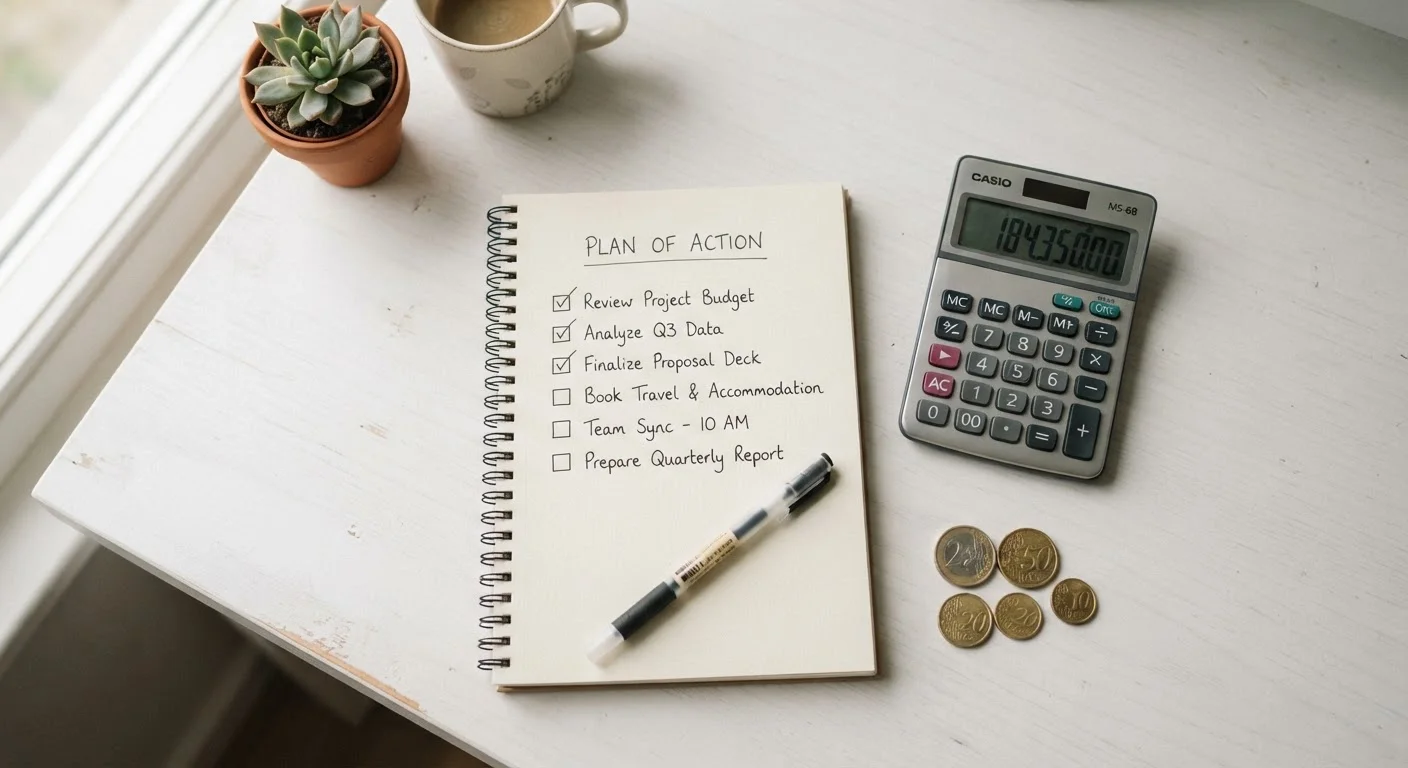
Checklist notepad alongside a calculator and coins representing total cost evaluation before a major purchase

Key Takeaways

The sticker price is rarely the full cost — installation, maintenance, and disposal all add up.
Mapping out total ownership costs before buying prevents financial surprises after the fact.
Compatibility with what you already own can determine whether a purchase is practical at all.
End-of-life costs like disposal fees and replacement cycles deserve a line in your budget.
A structured checklist helps you compare options on equal footing rather than on price alone.
20–45 min

Summary

22 items · 20–45 minutes

Why the Price Tag Is Just the Starting Point

A $400 appliance, a $30,000 vehicle, a $2,000 piece of furniture — each carries a number that feels concrete and comparable. The problem is that number only reflects what you pay at the point of sale. Everything that follows — setup, upkeep, consumables, repairs, and eventual disposal — rarely shows up on the shelf or in an ad.

This gap between sticker price and true ownership cost is where a lot of purchasing regret originates. Understanding the full picture before you commit is one of the most reliable ways to avoid it. As our guide on hidden costs that inflate good deals explains, maintenance and replacement costs alone can dwarf what you paid upfront.

Use this checklist to pressure-test any major purchase — from home appliances to vehicles to electronics to large home improvements — before you hand over your money.

Required

Spreadsheet or notes app

Record each cost category as you work through the checklist so you have a running total to compare across options.

Required

Manufacturer's product documentation

Source of maintenance schedules, power requirements, warranty terms, and compatible accessories.

Optional

Owner forums or consumer review platforms

Real-world data on common repair issues, long-term reliability, and actual operating costs from current owners.

Optional

Local contractor or service provider quotes

Required for accurate installation, permit, or maintenance cost estimates that vary by region.

The Full Ownership Cost Checklist

Work through each group below systematically. Not every item will apply to every purchase, but skipping a category without considering it first is where gaps tend to appear. For purchases that involve both buying and an alternative of renting or leasing, our renting vs. buying breakdown offers a useful parallel framework.

Acquisition Costs

Confirm the full purchase price including applicable taxes, fees, and any mandatory add-ons that are not optional. Must
Factor in delivery, shipping, or freight charges, which can be substantial for large or heavy items. Must
Identify any required installation, setup, or professional assembly costs before the item is usable. Must
Check whether permits, inspections, or licensed contractor work are legally required — especially for home improvements or certain appliances. Must

Compatibility & Infrastructure

Verify that the item works with your existing systems — power supply, software, connectors, or infrastructure — without additional upgrades. Must
Identify any accessories, adapters, or supporting equipment required to make the item fully functional from day one. Must
Assess whether your space, home, or vehicle can physically accommodate the item without modifications. Should

Ongoing Operating Costs

Estimate recurring consumable costs — fuel, ink, filters, batteries, subscriptions, or replacement parts — on a monthly and annual basis. Must
Research the item's energy or utility consumption and calculate its impact on your monthly bills. Should
Determine whether ongoing software, licensing, or membership fees are required to use the item as intended. Must

Maintenance & Repair

Identify the manufacturer's recommended maintenance schedule and estimate the annual cost of following it. Must
Research the typical repair costs for common failure points and how readily parts or qualified technicians are available. Should
Determine whether skipping routine maintenance voids the warranty or accelerates wear in ways that compound costs over time. Should

Warranty & Insurance

Understand what the standard warranty covers, for how long, and what conditions or actions void it. Must
Evaluate whether the item needs to be added to a home, auto, or specialized insurance policy and what that costs annually. Should
Consider whether an extended service plan makes financial sense based on estimated repair costs versus plan premiums. Nice to have

End-of-Life & Exit Costs

Research the realistic useful lifespan of the item and plan for replacement within your longer-term budget. Must
Identify disposal, recycling, or removal costs — some items (appliances, electronics, tires) carry fees or require special handling. Should
Estimate the item's likely resale or trade-in value at end of life, and factor depreciation into the total cost calculation. Nice to have

Opportunity Cost & Alternatives

Ask whether renting, leasing, or borrowing the item would meet your needs at lower total cost, especially for infrequent use. Should
Consider what else you could do with the capital being committed and whether those alternatives better serve your current priorities. Nice to have

Don't Rely on Estimated Costs Alone

Online cost estimates for installation, maintenance, and repairs vary widely by region, service provider, and product condition. Always get at least one direct quote for significant cost items rather than treating averages as your personal figure. The same item can cost 30–50% more or less to maintain depending on where you live and who services it.

How to Use Your Findings

Once you've worked through the checklist, you should have a rough total cost of ownership figure — or at least a clearer picture of what you don't yet know. That unknown information is as valuable as anything you've confirmed; it tells you what to research or ask before finalizing a decision.

Compare any two options using the same checklist so you're evaluating them on equal terms. A lower purchase price paired with higher recurring costs may make the more expensive option the better long-term value. The durability vs. disposability framework is worth reviewing if you're weighing a cheaper, shorter-lived option against a pricier, longer-lasting one.

If you still feel uncertain after completing this checklist, slow down. Our collection of questions worth asking before any purchase can help you identify what's still unresolved. There's rarely a cost to waiting — and often a real cost to rushing.

For home-specific purchases that may involve permits or contractor work, verify local requirements before committing. Similarly, vehicle ownership costs vary significantly by region due to insurance regulations, fuel prices, and inspection requirements — consult qualified local sources for accurate estimates. See the Buying Smart hub for additional frameworks and practical guidance across purchase categories.

Shopping Editorial Team is the collective byline for our editorial team and contributor network. Articles published under this byline or an editorial pen name are researched, written, and reviewed according to our editorial standards for clarity, consistency, and independence before publication.

View all articles by Shopping Editorial Team →
Disclaimer: The content on this site is for informational purposes only and is not a substitute for professional advice. Always consult a qualified professional for guidance specific to your situation.