

Key Takeaways
The Gap Between Listed and Final Price Is Structural, Not Accidental
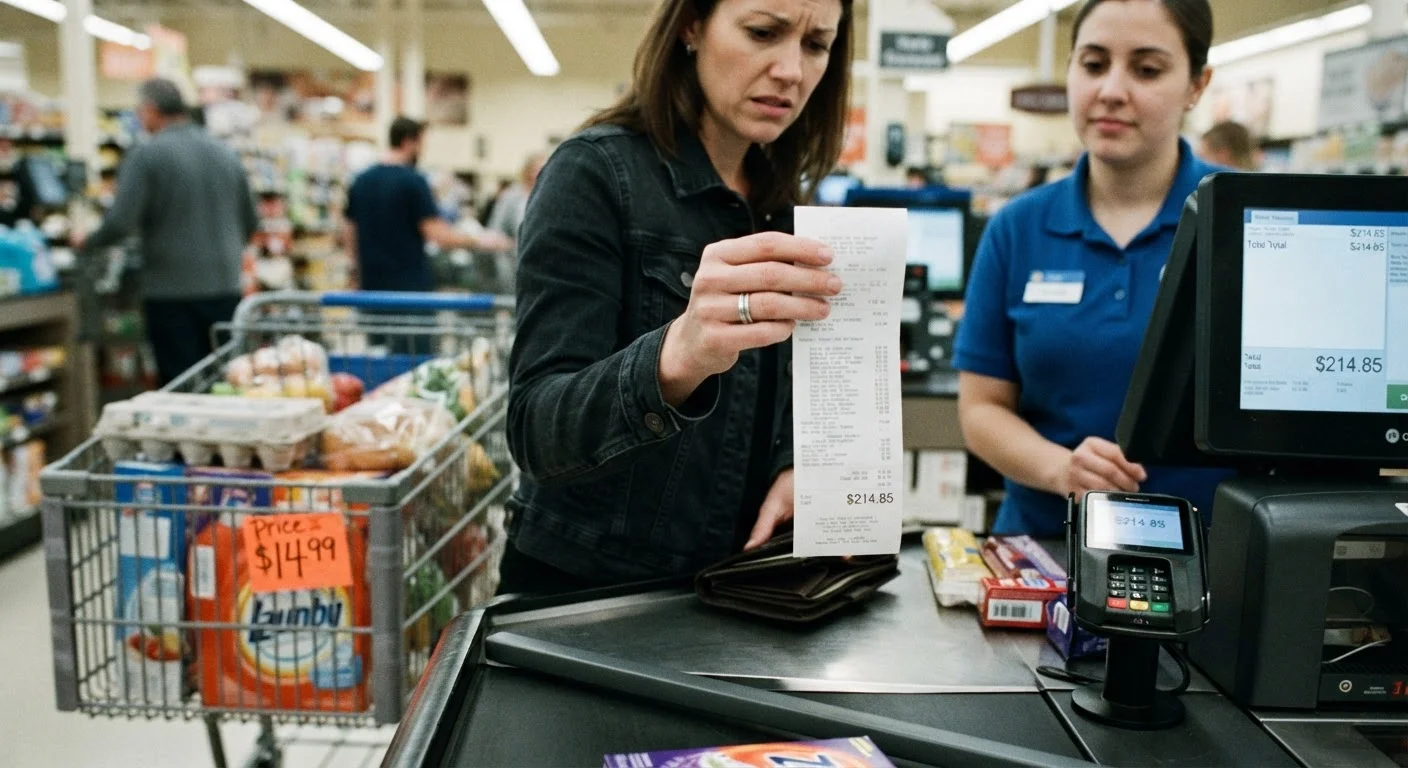
When the price you see at checkout doesn't match the one that caught your eye, it rarely happens by chance. Retailers, platforms, and service providers have long known that consumers respond more strongly to a lower number - and that fees added late in the purchase process tend to stick. This practice, sometimes called 'drip pricing,' is legal in many contexts as long as the total fees are disclosed somewhere before payment is completed.
That disclosure requirement is the key lever shoppers have. The information is almost always available - it's just structured to require effort to find. Understanding why that gap exists is the first step toward closing it. For a broader look at how purchase costs compound beyond checkout, the hidden costs that make 'affordable' purchases expensive over time are worth examining before any significant buy.
Advertised Price Is Not a Guaranteed Price
In most retail contexts, an advertised price is an invitation to purchase - not a binding contract. Mandatory fees, taxes, and conditional terms can legally change what you owe at checkout. Always verify the full cost before committing, especially for high-value or subscription-based purchases.
Common Mistakes That Lead to Checkout Sticker Shock
Most price surprises at checkout trace back to a handful of predictable errors - assumptions shoppers make because they're reasonable in theory but routinely exploited in practice. Knowing these patterns makes them much easier to catch before you've already committed.
Assuming the displayed price includes all mandatory fees and taxes.
Why it happens: Retailers and platforms often advertise the base price because it's the lowest number and most eye-catching. Taxes, service fees, and surcharges get added later in the checkout flow where they're less visible.
Taking 'sale price' at face value without checking the qualifying conditions.
Why it happens: Promotional language is designed to feel inclusive. Shoppers naturally assume an advertised discount applies to their purchase, when it may require a loyalty card, a specific quantity, or enrollment in a recurring subscription.
Confusing a rebate with an immediate discount and spending accordingly.
Why it happens: Both rebates and instant discounts lower the apparent price, but a rebate requires action after purchase and isn't guaranteed until you receive it. Shoppers often budget as though the savings are already in hand.
Overlooking mandatory service, delivery, or processing fees attached to the purchase.
Why it happens: These fees are frequently disclosed only on a separate fees page or deep in checkout - not on the product listing itself. The gap between where shoppers first see a price and where fees appear is wide enough to catch many people off guard.
Signing up for a 'free trial' without recognizing it as an auto-billing trigger.
Why it happens: Free trial offers are often marketed as zero-cost, but they require payment information upfront and convert to paid subscriptions automatically. The billing terms are technically disclosed but frequently buried.
For purchases where the final price involves multiple parties - as in real estate transactions - the fee layers can be especially significant. Closing costs decoded breaks down what buyers actually owe at the table beyond the listed sale price.
What Consumer Protections Actually Cover
Several federal and state-level rules govern how prices must be disclosed, but their reach is uneven. The Federal Trade Commission (FTC) has taken action against deceptive pricing practices and has pursued stronger rules around junk fee transparency in recent years. Many states have their own price advertising laws that prohibit advertising a price that isn't genuinely available to ordinary consumers.
Promotional Prices Often Come with Strings Attached
Phrases like 'starting from,' 'as low as,' or 'after savings' signal that the advertised price applies only under specific conditions. If you don't meet those conditions - a required trade-in, a membership enrollment, a minimum order - the price you see isn't the price you'll pay. Slow down and read what qualifies before assuming you're eligible.
In practice, enforcement focuses on the most egregious cases. Everyday fee padding - a 'convenience fee' here, a 'processing surcharge' there - generally falls within legal bounds as long as it's disclosed before payment is finalized. Your strongest tool remains reading before you pay, not disputing after. If you want to understand a related type of fine-print consumer issue, what 'all sales final' actually means is a useful companion read.
When budgeting, it also helps to consider not just what you pay at checkout but what a purchase will cost over time. The relationship between price and value is rarely as simple as the sticker suggests.