

Key Takeaways
Why Durability Signals Matter More Than Brand Names
A recognizable logo is not a durability guarantee. Brand reputations shift over time as ownership changes, manufacturing moves, and cost-cutting quietly alters the product inside the familiar packaging. The more reliable approach is learning to read the physical and informational clues a product gives you before you hand over your money.
Some of those signals are observable in person - how a hinge feels, how components fit together, whether hardware looks substantial or decorative. Others require a few minutes of research: parsing a warranty document, scanning long-form owner reviews, or checking whether replacement parts are even sold. The eight signals below cover both categories, giving you a practical framework you can apply across product categories.
For a closer look at how specs can be selectively presented, see how to read product specifications accurately before your next purchase.
Material weight and density
Heavier materials - solid wood over particleboard, cast metal over hollow plastic - generally indicate more raw material was used and that the manufacturer didn't cut corners at the foundational level. This isn't universal: some lightweight engineered materials are genuinely durable. But if something feels insubstantially light for its category, that physical cue is worth taking seriously. Pick it up, flex it gently, and compare it mentally to similar items you've owned.
If a product feels insubstantially light for its category, that cue is worth taking seriously.
Seam, joint, and finish quality
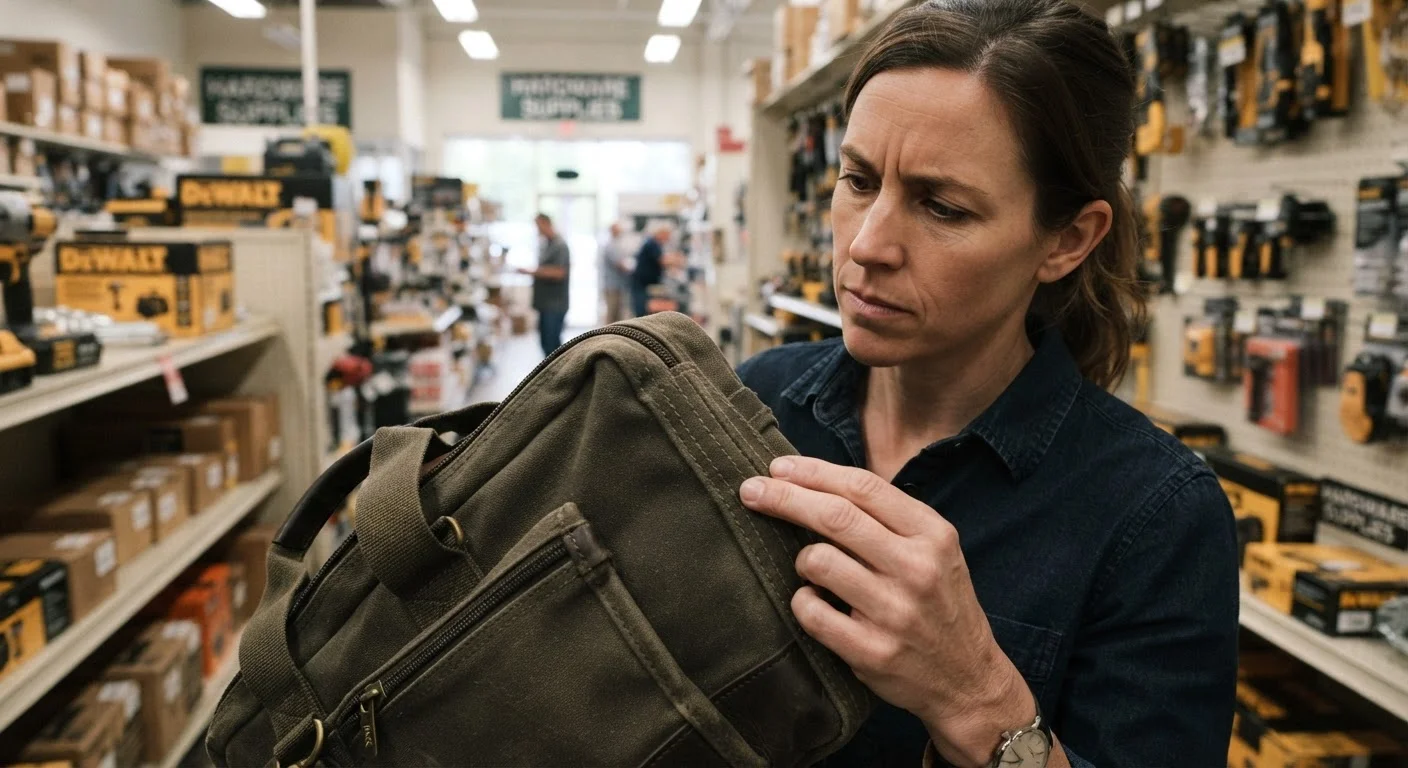
Where two pieces of material meet, you can learn a lot. Tight, even seams with consistent stitching, clean welds, or flush panel gaps signal that tolerances were controlled during manufacturing. Uneven gaps, visible glue squeeze-out, rough edges, or seams that pucker under light tension point toward rushed production. Run your fingertip along joints and edges - inconsistencies that are invisible from a distance become obvious under touch.
Run your fingertip along joints and edges - inconsistencies invisible from a distance become obvious under touch.
Hardware and fastener quality
Hinges, clasps, zippers, screws, and connectors fail before the main body of a product in many cases. Metal hardware with a smooth, consistent finish is a positive indicator. Pot-metal castings that feel gritty, plastic fasteners where metal would be more appropriate, or zippers that don't glide cleanly are warning signs. Fasteners also matter for repairability: standard-sized screws can be replaced; proprietary clips or tamper-resistant bits signal that the manufacturer doesn't intend the product to be serviced.
Standard-sized screws can be replaced; proprietary fasteners signal the manufacturer doesn't intend servicing.
Warranty scope and what it excludes
A warranty's duration matters less than what it actually covers. A two-year warranty that covers defects in materials and workmanship with minimal exclusions is more meaningful than a five-year warranty filled with carve-outs for normal wear, cosmetic damage, and vague language about misuse. Read the exclusions. Also note whether warranty service requires shipping the item to an overseas facility at your cost - that structure discourages claims and reveals something about how the manufacturer views post-sale responsibility.
Read the exclusions - a long warranty full of carve-outs is worth less than a shorter, cleaner one.
Long-term owner reviews
Aggregate star ratings reflect first impressions more than durability. Look for reviews written six months to several years after purchase, and filter specifically for language about longevity: "still going strong after three years," "started failing at the 18-month mark," "replaced the same part twice." These accounts describe actual product lifespan rather than unboxing satisfaction. On platforms that allow review filtering by date, sort by oldest verified reviews first to find this information quickly.
Filter for reviews written years after purchase - they describe lifespan, not unboxing satisfaction.
Parts and service availability
A product designed to be repaired will outlast one that isn't, assuming you're willing to perform or arrange maintenance. Before purchasing, search whether replacement parts - filters, belts, blades, gaskets - are available from the manufacturer or through general retailers. Products with no accessible parts ecosystem force you to replace the whole unit when one component fails. This is an intentional design and business decision, and it's one worth factoring into your true cost of ownership.
Products with no accessible parts ecosystem force full replacement when one component fails.
Vague or inflated specification language
Spec sheets full of marketing adjectives - "military-grade," "ultra-durable," "premium construction" - without measurable backing are a warning sign. Genuine durability is typically described in concrete terms: material gauge, load rating, IP rating for water resistance, or test standard certifications. When a manufacturer relies heavily on adjectives and avoids testable numbers, it often means the numbers wouldn't be impressive. Cross-reference specs with independent test results where they exist.
When a manufacturer relies on adjectives and avoids testable numbers, those numbers likely aren't impressive.
Consistency across production batches
Some products are high quality at launch and decline as manufacturing scales or cuts costs. Search for reviews that mention purchase dates alongside quality observations - a pattern of older reviewers praising a product while recent buyers report problems is a meaningful signal. Similarly, if a product has undergone a design revision or an ownership change, look for reviews specifically referencing the current version rather than relying on reputation built under earlier manufacturing conditions.
Older reviewers praising a product while recent buyers report problems is a meaningful pattern to catch.
Putting These Signals Together
No single indicator tells the whole story. A product with a strong warranty but plastic hardware may still disappoint; one with excellent owner feedback but no repair parts available carries its own risk. The value of this framework is in applying several signals together and noticing when the pattern is consistently positive - or when warning signs cluster.
It's also worth knowing that price alone is an unreliable guide. Premium pricing signals quality in some categories and is pure marketing in others - learning to distinguish between them is a skill that pays off across dozens of purchases over time.
Finally, durability signals are part of a broader quality-assessment picture. Materials, certifications, and construction details that correlate with real product quality can round out your evaluation before you commit.
Check for repair resources before you buy
A quick search for "[product name] repair manual" or "[product name] replacement parts" takes under two minutes and tells you a lot. If results are sparse or limited to third-party salvage sites, that product likely wasn't designed with longevity in mind. Manufacturers that support repairability generally make this information easy to find.