

| Federal return mandate | None - no U.S. federal law requires retailers to accept returns (FTC consumer guidance) |
| Typical electronics return window | 15-30 days (varies by retailer) |
| Common restocking fee range | 10%-25% of purchase price |
| Digital goods returns | Usually non-returnable once accessed or downloaded |
| Gift receipt benefit | Typically allows exchange or store credit, not cash refund |
| Policy governing your purchase | Generally the policy in effect on the date of purchase |
Why Return Policies Vary So Much
There is no federal law in the United States requiring retailers to accept returns. What you're entitled to is almost entirely determined by the store's own posted policy - and those policies differ enormously. A 90-day window at one retailer might shrink to 15 days at another selling identical merchandise. Understanding this baseline is the first step toward protecting yourself.
Retailers set return policies based on product category, margin, fraud risk, and competitive pressure. Electronics and appliances tend to have shorter windows (often 15-30 days) and may carry restocking fees. Clothing and housewares usually get longer windows. Consumables, personalized items, and certain software are frequently non-returnable by default. Knowing which category your purchase falls into - before you buy - shapes what recourse you'll have later. For a plain-English breakdown of the terms retailers use, see The Anatomy of a Return Policy.
| Federal return mandate | None - no U.S. federal law requires retailers to accept returns (FTC consumer guidance) |
| Typical electronics return window | 15-30 days (varies by retailer) |
| Common restocking fee range | 10%-25% of purchase price |
| Digital goods returns | Usually non-returnable once accessed or downloaded |
| Gift receipt benefit | Typically allows exchange or store credit, not cash refund |
| Policy governing your purchase | Generally the policy in effect on the date of purchase |
Common Retail Situations and What Typically Applies
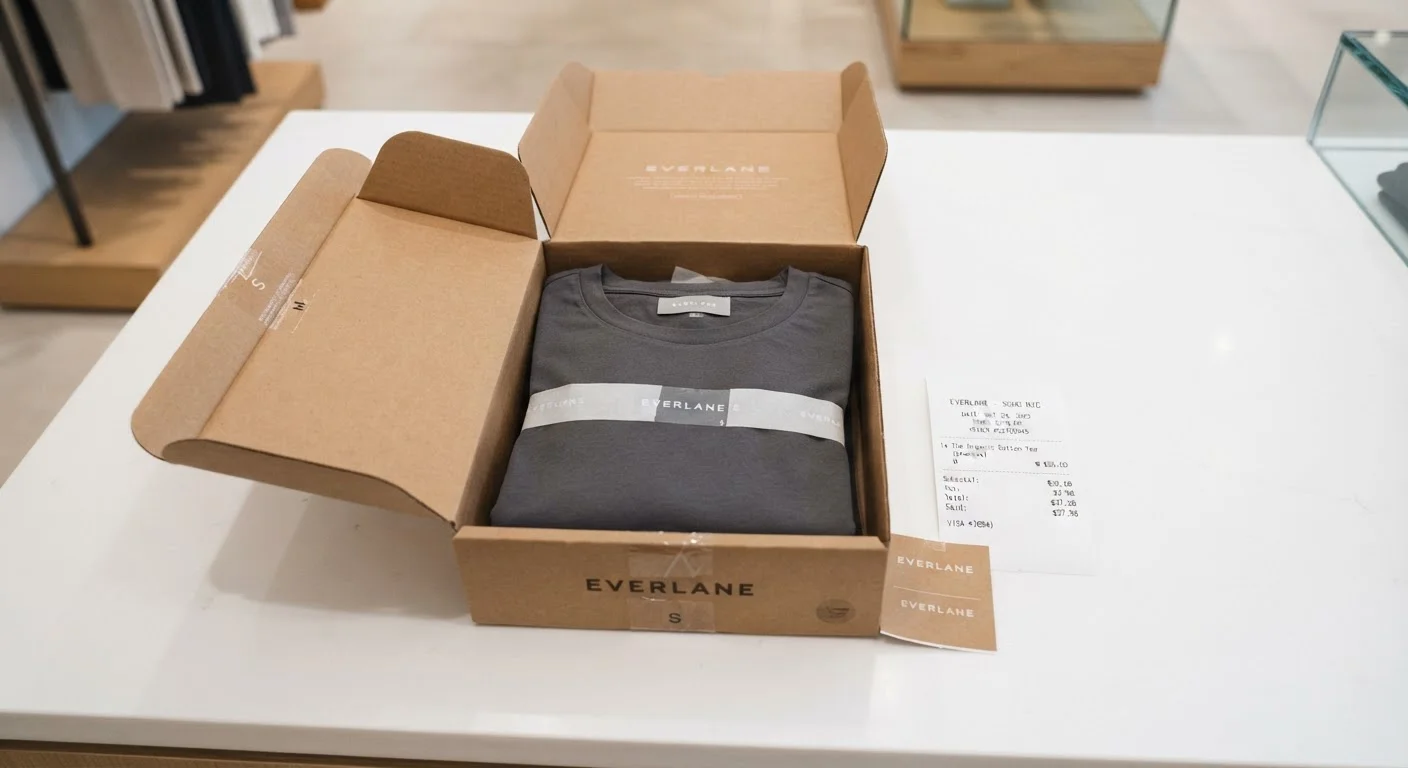
In-store purchases: Most policies require the original receipt (or order confirmation) and original packaging. Without proof of purchase, stores may issue store credit at the current selling price rather than the price you paid - or decline entirely. Policies are often posted at the register or printed on receipts; photographing or saving that documentation at the time of purchase is practical habit.
Online orders: Return shipping responsibility varies. Some retailers provide prepaid labels; others deduct shipping costs from your refund. Read the return shipping clause before ordering, particularly for bulky or heavy items where freight costs could make a return economically impractical.
Clearance and sale items: Discounted merchandise is frequently excluded from standard return windows, or marked as final sale. Retailers are generally permitted to post different terms for sale items as long as the policy is disclosed. "All sales final" doesn't always mean you're without recourse - defective goods may still be covered under implied warranty rules regardless of the posted sale policy.
Digital goods and software: Downloads, streaming licenses, and activated software are routinely excluded from returns once accessed. Some platforms offer a narrow satisfaction window (often 14-30 days and restricted to undownloaded content), but this varies by provider and jurisdiction. Assume non-returnable unless the policy explicitly states otherwise.
Gifts: Gift receipts typically allow exchange or store credit but not a cash refund. Without any receipt, you're at the retailer's discretion. If you're purchasing something as a gift, securing a gift receipt at checkout preserves the recipient's options.
Opened vs. unopened items: Opening packaging can change your eligibility category. Some retailers accept opened returns; others apply a restocking fee (commonly 10-25%) or decline outright on opened electronics, mattresses, or intimates for hygiene reasons. Verify this before opening any high-value purchase.
Restocking Fees and Hidden Costs
Restocking fees are legal and relatively common on electronics, appliances, and specialty items. They compensate retailers for repackaging, inspection, and resale markdown costs. Fees typically range from 10% to 25% of the purchase price, though this varies by retailer and product.
To avoid unexpected deductions: check whether a restocking fee applies before purchasing, note whether the fee is waived if the item is defective, and keep all original packaging and accessories - missing components often trigger fees even when no fee would otherwise apply.
If a retailer's return policy language is ambiguous, ask for clarification in writing (email) before completing a purchase. That documentation can matter if a dispute arises. And if a retailer refuses a return on a product that is genuinely defective, you may have additional protections - see your rights after buying a defective product for a broader look at implied warranty and FTC considerations. In cases where a return is denied and the purchase was made by credit card, a chargeback may be an option depending on the circumstances.
One point many shoppers overlook: return policies are contract terms, and retailers can change them. The policy in effect on the date of purchase typically governs your transaction, but verifying this on your receipt or order confirmation is prudent. For a broader look at common misconceptions about consumer rights, shopping rights myths worth knowing is worth reviewing before your next major purchase.