

Key Takeaways
Lease Agreement
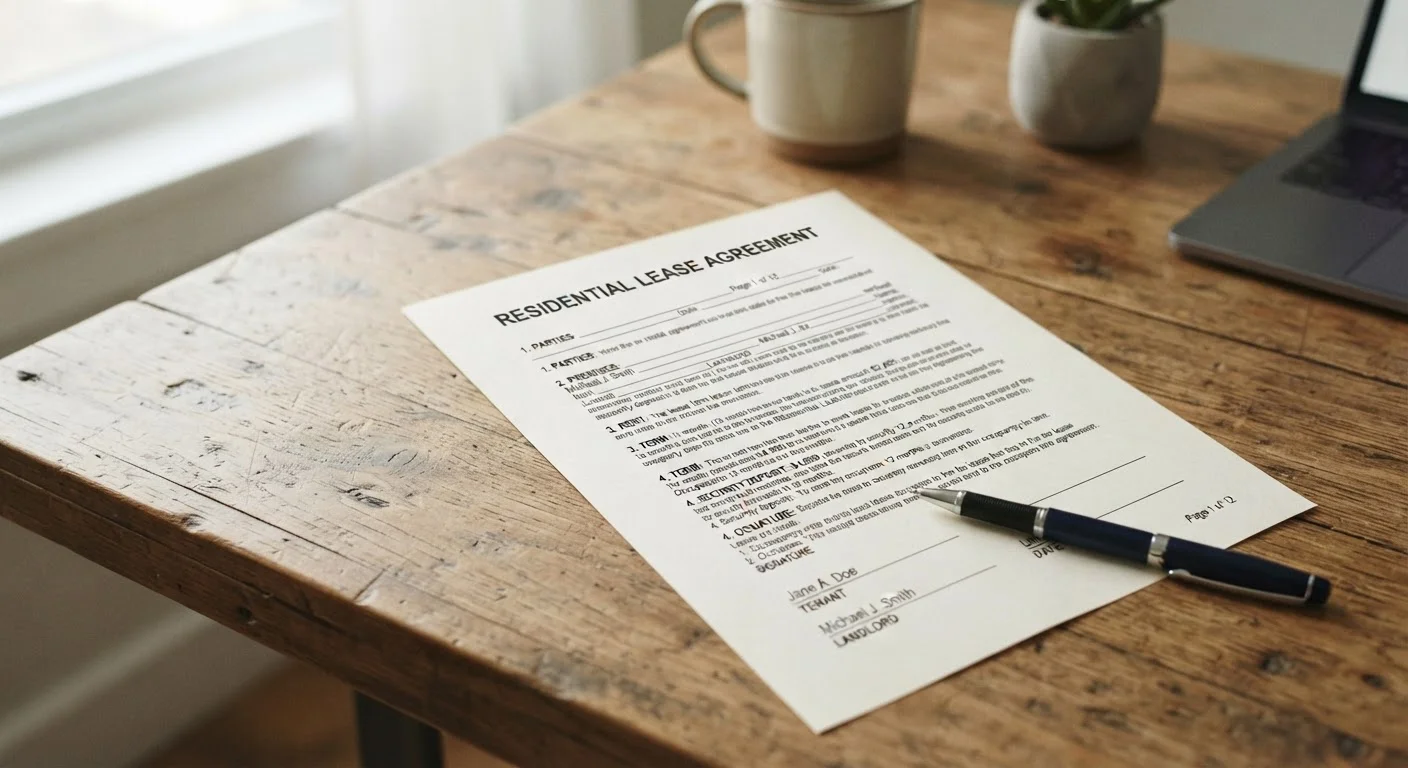
A lease agreement is a legally binding contract between a landlord and a tenant that outlines the rules, responsibilities, and terms governing a rental arrangement. It specifies what each party is allowed - and not allowed - to do during the tenancy. Signing a lease means you are legally committed to its terms, so understanding what each clause says is critical before you put pen to paper.
Lease agreements are governed by a combination of state landlord-tenant law and contract law. Some clauses may be unenforceable if they conflict with state statute, even if both parties sign.
Why Lease Language Matters More Than Most Renters Realize
Most renters skim a lease, sign it, and assume everything will work out. That's a significant risk. A lease agreement is a binding legal contract, and courts treat it as such. If a clause says you're responsible for routine pest control, or that your landlord can enter with 24 hours' notice rather than 48, those terms hold - regardless of whether you fully read them before signing.
The good news: most standard lease clauses follow recognizable patterns once you know what to look for. The language may sound intimidating, but the underlying concepts are straightforward. Understanding them protects you from unexpected charges, eviction risks, and disputes you could have avoided. For a broader look at where renters commonly get tripped up, see our piece on renter rights misconceptions.
The Clauses That Affect You Most Day to Day
Several lease sections have direct, routine impact on your life as a tenant.
Rent Payment Terms
Beyond the monthly amount, your lease specifies the due date, the grace period (if any), and the late fee structure. A fee of 5% of monthly rent is common, though state law often caps the amount. Some leases also include an NSF fee (non-sufficient funds) if a payment is returned by your bank - this can be $25-$75 or more.
Security Deposit Conditions
Your lease should state the deposit amount, what it can be used for, and the timeline for its return. Critically, look for language distinguishing normal wear and tear - which landlords generally cannot charge you for - from actual damage. Scuffed baseboards are typically wear and tear; a large hole in the wall is not.
Maintenance and Repair Responsibilities
Leases often divide responsibilities: landlords typically maintain structural elements and major systems (heating, plumbing), while tenants handle minor upkeep. If your lease says you're responsible for HVAC filter changes or lawn care, you're contractually obligated - and failure to comply could be grounds for deducting from your deposit.
Always Request Changes in Writing
If your landlord verbally agrees to something - allowing a pet, fixing an appliance before move-in, or adjusting the rent amount - insist that it be added to the lease or documented in a signed written addendum. Verbal promises, however sincere, are rarely enforceable in a lease dispute. Courts rely on written contracts, not recollections of what someone said.
Entry Notice Requirements
Most states require landlords to give advance notice - commonly 24 to 48 hours - before entering your unit for non-emergency reasons. Your lease should reflect this, but if it specifies a shorter notice period that conflicts with state law, the state law governs.
Clauses That Can Surprise You at Move-Out or Mid-Tenancy
Some lease provisions only become relevant in specific circumstances - but when they do, the stakes are high.
Early Termination
Life changes. If you need to leave before your lease ends, what happens? Many leases require you to pay a fee (often one to two months' rent) or continue paying rent until a replacement tenant is found. Some states impose a duty on landlords to mitigate damages by actively seeking a new renter - but don't assume your state has that rule without checking.
Subletting and Assignment
If your lease restricts subletting, you cannot legally bring in a replacement tenant without landlord approval. Violating this clause can constitute a lease breach and trigger eviction proceedings. The distinction between subletting and a full lease transfer carries different implications - understand the difference before making any arrangement.
Pet Addenda
Even if the base lease is silent on pets, many landlords attach a separate pet addendum detailing deposits, monthly fees, breed restrictions, and damage liability. This addendum is part of your lease. Renting with a pet involves more legal nuance than most tenants expect.
Automatic Renewal and Notice to Vacate
Many leases automatically convert to a month-to-month arrangement if neither party acts before the lease end date. Others auto-renew for a full additional term. Your lease's notice-to-vacate clause - typically 30 to 60 days - tells you exactly when and how you must notify your landlord that you're leaving to avoid being bound to another term.
30-60 days
Typical advance notice required to vacate
Most residential leases in the U.S. require tenants to provide 30 to 60 days' written notice before moving out to avoid automatic renewal or penalty.
14-45 days
State-mandated security deposit return window
Depending on the state, landlords are required to return security deposits - with an itemized statement of deductions - within 14 to 45 days of a tenant's move-out date.
5%
Common late fee ceiling as share of monthly rent
Many states cap residential late fees at around 5% of monthly rent, though the specific limit varies by jurisdiction and some states set flat-dollar caps instead.
When a Clause May Not Be Enforceable
Not everything in a lease is legally valid just because it's written down. Landlords sometimes include provisions that are unenforceable under state law - either by error or by design. Common examples include clauses that:
- Waive the landlord's duty to maintain a habitable unit
- Prohibit tenants from reporting code violations to housing authorities
- Allow the landlord to enter without any notice whatsoever
- Charge excessive late fees that exceed state-mandated caps
An unenforceable clause doesn't necessarily void the whole lease - the rest of the contract typically stands. But knowing which clauses may not hold up gives you important leverage in a dispute. When in doubt, consult a local tenant rights organization or a licensed attorney before assuming any clause applies to your situation.
This article is for general informational purposes only and does not constitute legal advice. Lease laws vary significantly by state and locality. Consult a qualified attorney or tenant advocacy organization for guidance specific to your circumstances.