

Key Takeaways
Home Inspection
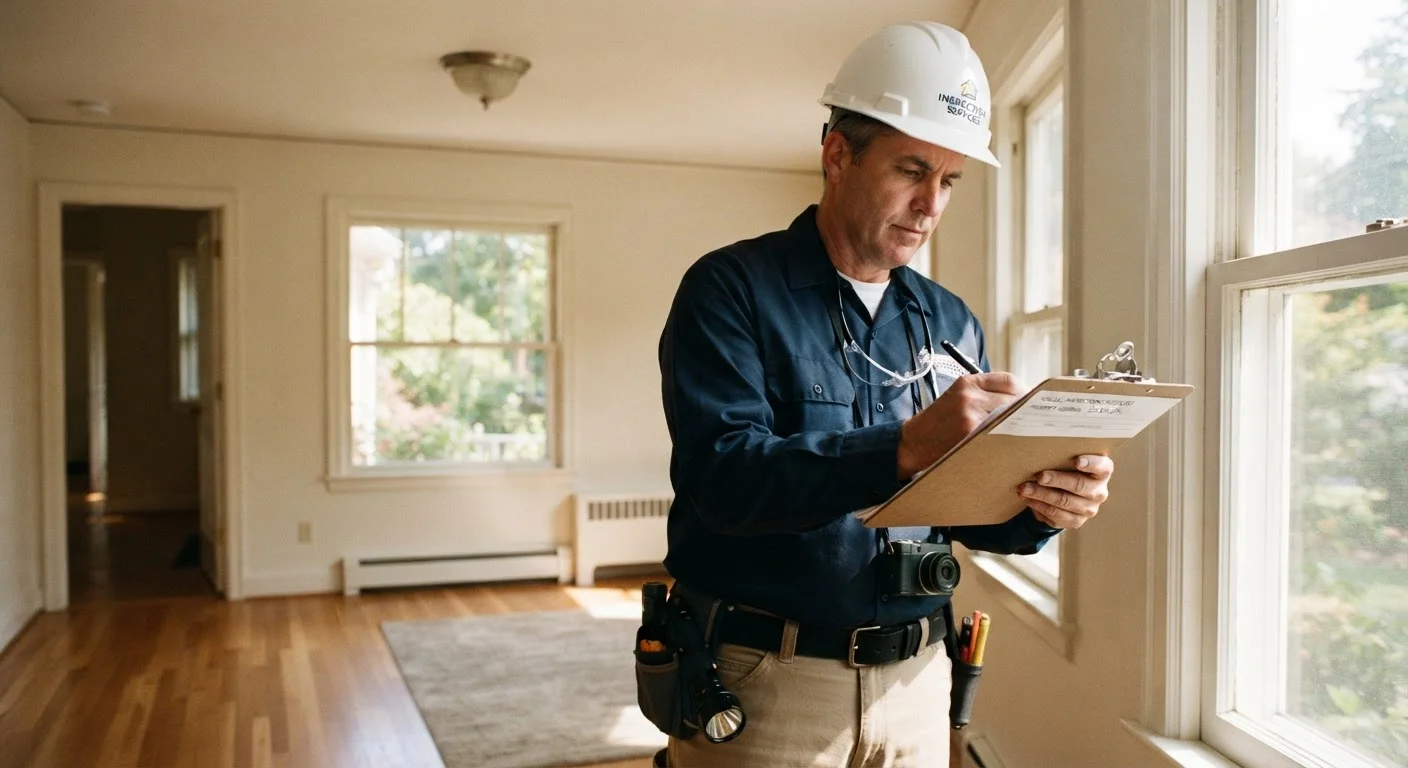
A home inspection is a professional, visual examination of a property's physical condition conducted before a real estate sale closes. A licensed inspector evaluates the home's major systems and structural components, then delivers a written report of their findings. Buyers use this report to understand what they're purchasing and, if needed, to negotiate repairs or credits with the seller.
A home inspection is not the same as a home appraisal. An appraisal determines market value for the lender; an inspection assesses physical condition for the buyer. The two serve different purposes and are conducted by different professionals.
What an Inspector Actually Examines
A licensed home inspector conducts a systematic, visual assessment of the property's accessible systems and components. The goal is not to certify the home as perfect but to document its current condition accurately.
Standard areas of examination include:
- Structural components: Foundation, framing, floors, walls, ceilings, and roof structure for signs of settling, cracking, or water intrusion.
- Roofing: Shingles, flashing, gutters, downspouts, and visible penetrations. Inspectors look for age-related wear, missing materials, and improper drainage.
- Exterior: Siding, grading, driveways, decks, porches, and vegetation near the structure.
- Electrical systems: The service panel, visible wiring, outlets, and fixtures. Older panels or improper wiring are common findings - see electrical panel basics for context on what warning signs look like.
- Plumbing: Supply and drain lines, water heater, fixtures, and visible pipe materials.
- HVAC: Heating and cooling equipment, ductwork, filters, and thermostats.
- Insulation and ventilation: Attic insulation levels and ventilation, which affect energy efficiency and moisture control.
- Interior: Windows, doors, stairs, fireplaces, and installed appliances.
Inspectors note conditions ranging from deferred maintenance to safety concerns, documenting each with photographs and descriptions in the final report.
What Inspectors Don't Cover - and Why It Matters
Understanding the scope limits of a standard inspection is just as important as knowing what's included. Inspectors are trained generalists performing visual assessments - they do not open walls, move belongings, or conduct laboratory testing.
Specialty Inspections Are Separate Services
A standard home inspection does not include testing for radon, mold, lead paint, asbestos, pests, or sewer line conditions. Each of these requires a separate specialist and an additional fee. Buyers should discuss which specialty assessments are appropriate for the specific property with their real estate agent or inspector before the contingency window closes.
Conditions that typically fall outside a standard inspection include:
- Radon gas levels (requires a separate radon test)
- Mold presence behind surfaces
- Lead paint or asbestos (common in homes built before 1978)
- Wood-destroying organisms such as termites (requires a separate pest inspection)
- Underground oil tanks or buried utilities
- Sewer line condition (requires a separate camera inspection)
Buyers purchasing older homes, properties with visible moisture issues, or homes in regions with known radon concerns should consider ordering one or more of these specialty inspections in addition to the standard assessment. The costs are generally modest relative to the potential repair expenses they can uncover.
How to Use the Inspection Report Strategically
Receiving an inspection report that lists dozens of items can feel alarming. Most reports do. The key is distinguishing between significant defects - those affecting safety, structural integrity, or major systems - and routine maintenance items that are simply the reality of owning any home.
Items that typically warrant serious attention:
- Evidence of active water intrusion or foundation movement
- Roof at or near the end of its serviceable life
- Outdated or unsafe electrical wiring (knob-and-tube, aluminum branch circuit wiring)
- HVAC systems that are non-functional or flagged as unsafe
- Plumbing deficiencies affecting habitability
With this information in hand, buyers have several options. They can request that the seller address specific repairs before closing, negotiate a price reduction to reflect the cost of repairs, ask for a closing credit to handle work after taking ownership, or - if the contingency is active - exit the contract if findings are severe enough.
Skipping the inspection to make an offer more competitive is a real strategy some buyers use, but it carries the risk of inheriting expensive problems with no recourse. For most buyers, the inspection contingency is a meaningful financial protection worth preserving.
Before making an offer, reviewing questions worth asking before committing can help surface issues early - before the inspection stage.
~86%
Buyers who include an inspection contingency
According to the National Association of Realtors' Profile of Home Buyers and Sellers, the large majority of buyers who completed a purchase included an inspection contingency in their contracts.
$300-$500
Typical cost of a standard home inspection
Cost estimates from the home services industry suggest most single-family home inspections in the US fall within this range, varying by region, home size, and inspector credentials.
2-4 hours
Average time for a home inspection
Industry guidance from professional inspector associations indicates this as the typical range for an average-sized single-family home.
Choosing a Qualified Inspector
Not all inspectors carry the same credentials. In most states, home inspectors are required to be licensed, but requirements vary. Professional associations such as the American Society of Home Inspectors (ASHI) and the International Association of Certified Home Inspectors (InterNACHI) establish standards of practice and continuing education requirements for members.
When selecting an inspector, consider asking:
- Are you licensed in this state, and do you carry errors-and-omissions insurance?
- How many inspections have you completed, and do you have experience with this type of property?
- What is included in the standard inspection, and what costs extra?
- How long will the inspection take, and when will I receive the written report?
Your real estate agent may offer referrals, but many buyer advocates recommend independently researching inspectors to ensure the relationship is free from conflicts of interest. The inspection report becomes a foundational document for your purchase decision - the inspector you choose should be working solely in your interest.
Once you own the home, keeping up with the issues flagged in your report is the start of responsible home maintenance. Many items identified as minor during the inspection can become major if left unaddressed over time.