

Key Takeaways
Free preview of an otherwise skipped destination
A long layover in cities like Istanbul or Singapore can deliver a genuine taste of local culture - a meal, a landmark, a neighborhood stroll - without adding extra flight segments or costs to your itinerary.
Can break up long-haul fatigue meaningfully
Stretching your legs in a city, getting fresh air, and eating a proper meal can reset your body more effectively than another few hours in a terminal seat, arriving at your final destination feeling more human.
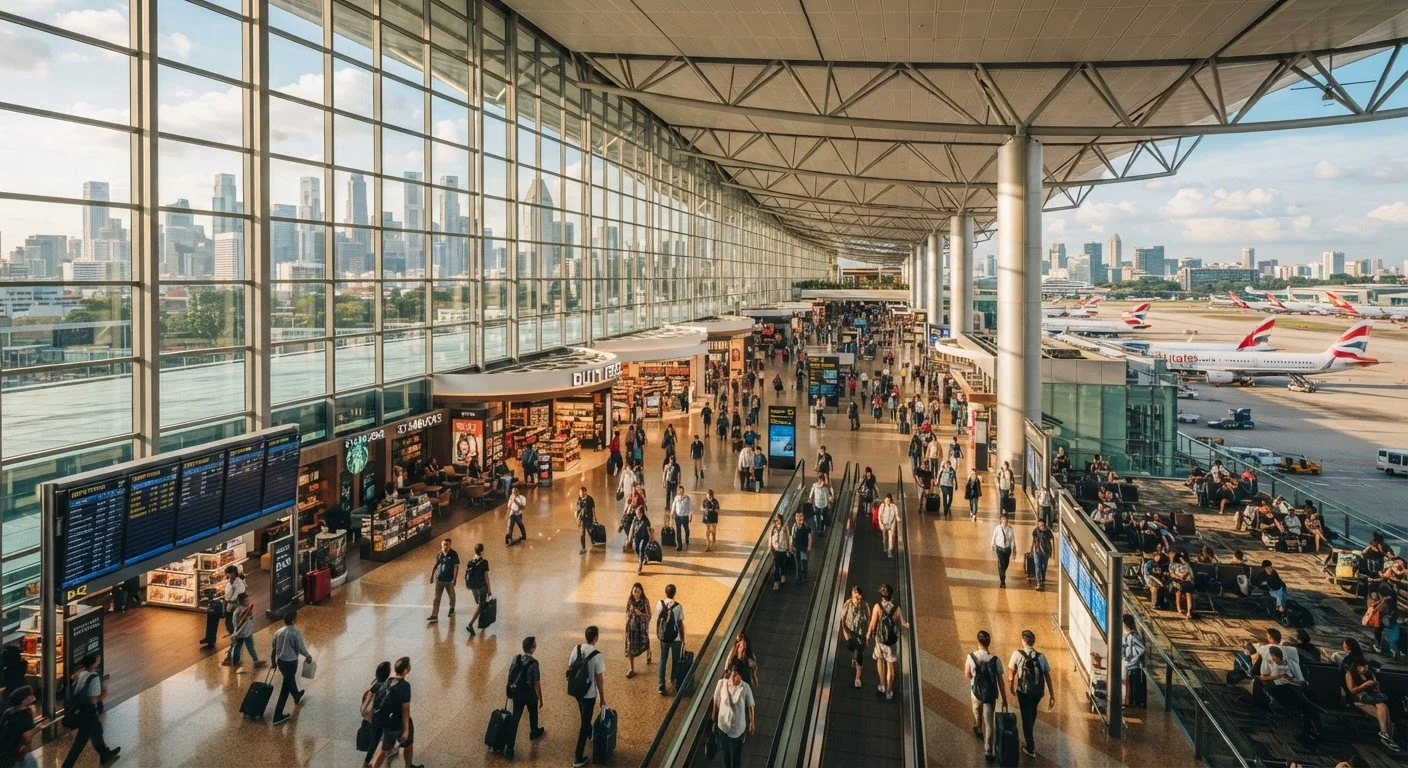
Some airports make staying inside genuinely worthwhile
Singapore Changi's indoor waterfall, Incheon's cultural museum, and Hamad International's art installations demonstrate that terminal time doesn't have to feel like waiting - it can feel like an experience in itself.
Layover tours offered by airlines and tourism boards
Several national carriers and city tourism agencies offer organized transit tours at low or no cost, providing structured exploration without the logistical pressure of self-navigating an unfamiliar city on a tight clock.
Opportunity for productive travel admin
Time between flights is ideal for tasks that make the rest of the trip smoother - downloading offline maps, organizing documents, getting local currency, or simply catching up on sleep in a quieter terminal area.
Missed connections are a real, costly risk
Delays on the inbound flight, long immigration queues, or slow transit back to the airport can turn a comfortable six-hour layover into a frantic sprint - or a missed flight entirely, with rebooking costs and itinerary chaos to follow.
Visa and transit rules are complex and easily overlooked
Many countries require a transit visa even for airside connections, and requirements can change with little notice. Failing to check official government sources before travel can result in being denied boarding or turned away at immigration.
City distance is often farther than it appears
Airport-to-city center travel times are routinely underestimated. Add immigration, baggage collection if needed, ground transport, security re-entry, and terminal walking, and a 20-minute map distance can consume two hours of actual time.
Physical exhaustion makes exploration punishing, not enjoyable
After a long overnight flight, the idea of sightseeing sounds appealing in the planning stage but can feel genuinely unpleasant in execution. Pushing through fatigue during a layover often means arriving at the final destination more depleted than rested.
Baggage complications can eliminate usable time
On some itineraries - particularly those involving separate tickets or certain airline partnerships - travelers must collect and recheck their bags, which can consume an hour or more and significantly reduce available exploration time.
Our Verdict
Layovers are neither inherently wasted time nor guaranteed adventures - they're what you make of them given the specific circumstances. With a realistic read of your time window, visa situation, and energy level, a long connection can absolutely deliver a memorable taste of a city. Short, tight connections, on the other hand, are best treated as rest opportunities rather than exploration invitations.
Flexible travelers with five or more hours at a well-positioned international hub who have researched visa transit rules and are comfortable navigating an unfamiliar city independently.
The Layover Paradox: Obstacle or Bonus Destination?
Few travel experiences divide opinion quite like the long layover. For some, it's a soul-crushing sentence to overpriced terminal food and gate-area chairs. For others, it's a free-of-charge preview of a city they might otherwise never visit. The truth lands somewhere in the middle - and the deciding factors are almost always practical, not philosophical.
Whether a layover becomes a bonus stop or a wasted afternoon depends on four core variables: the length of the stop, the airport's proximity to the city, your visa or transit permit status, and your personal bandwidth for spontaneous exploration. Get all four in your favor, and a layover can be one of travel's more delightful surprises. Miss on any one of them, and you're better off staying airside. See our itinerary planning guide for tips on weaving layover time into a broader trip structure.
The Case For Embracing Your Layover
Long layovers at major international hubs have converted plenty of skeptics. Here's why experienced travelers often seek them out deliberately.
Free preview of an otherwise skipped destination
A long layover in cities like Istanbul or Singapore can deliver a genuine taste of local culture - a meal, a landmark, a neighborhood stroll - without adding extra flight segments or costs to your itinerary.
Can break up long-haul fatigue meaningfully
Stretching your legs in a city, getting fresh air, and eating a proper meal can reset your body more effectively than another few hours in a terminal seat, arriving at your final destination feeling more human.
Some airports make staying inside genuinely worthwhile
Singapore Changi's indoor waterfall, Incheon's cultural museum, and Hamad International's art installations demonstrate that terminal time doesn't have to feel like waiting - it can feel like an experience in itself.
Layover tours offered by airlines and tourism boards
Several national carriers and city tourism agencies offer organized transit tours at low or no cost, providing structured exploration without the logistical pressure of self-navigating an unfamiliar city on a tight clock.
Opportunity for productive travel admin
Time between flights is ideal for tasks that make the rest of the trip smoother - downloading offline maps, organizing documents, getting local currency, or simply catching up on sleep in a quieter terminal area.
Cities like Singapore, Istanbul, Amsterdam, and Tokyo have airports positioned to make quick city visits genuinely feasible. Some carriers and tourism boards even offer free or subsidized layover tour programs, which provide structured half-day itineraries at no extra cost - worth researching before you fly. And if the city beyond the gates doesn't appeal, many modern airports have raised the in-terminal experience to an art form, with everything from rooftop pools to world-class restaurants to museum-grade art installations.
The Real Risks of Treating a Layover Like a Vacation
Here's where the enthusiasm needs a reality check. Layovers carry genuine risks that travelers frequently underestimate - especially when they're eager to explore.
Missed connections are a real, costly risk
Delays on the inbound flight, long immigration queues, or slow transit back to the airport can turn a comfortable six-hour layover into a frantic sprint - or a missed flight entirely, with rebooking costs and itinerary chaos to follow.
Visa and transit rules are complex and easily overlooked
Many countries require a transit visa even for airside connections, and requirements can change with little notice. Failing to check official government sources before travel can result in being denied boarding or turned away at immigration.
City distance is often farther than it appears
Airport-to-city center travel times are routinely underestimated. Add immigration, baggage collection if needed, ground transport, security re-entry, and terminal walking, and a 20-minute map distance can consume two hours of actual time.
Physical exhaustion makes exploration punishing, not enjoyable
After a long overnight flight, the idea of sightseeing sounds appealing in the planning stage but can feel genuinely unpleasant in execution. Pushing through fatigue during a layover often means arriving at the final destination more depleted than rested.
Baggage complications can eliminate usable time
On some itineraries - particularly those involving separate tickets or certain airline partnerships - travelers must collect and recheck their bags, which can consume an hour or more and significantly reduce available exploration time.
The most serious concern is the missed connection. Even a six-hour layover can become dangerously short if your inbound flight is delayed, immigration lines are long, or a transit train runs behind schedule. Always confirm whether your bags will be automatically transferred or whether you need to collect and recheck them - the answer dramatically changes your usable time outside. For a broader look at how planning assumptions can go wrong, see common travel planning myths.
How to Read a Layover Like a Seasoned Traveler
Before deciding whether to venture out, run through this mental checklist:
- Time threshold: Most travel experts suggest a minimum of five to six hours for a city visit to feel worthwhile rather than frantic. Anything under four hours is generally best used for rest.
- Visa and transit rules: Many countries require a transit visa even if you never plan to leave the airport. Rules change - always verify current requirements with official government sources before travel.
- Distance and transport: Calculate the realistic door-to-door transit time to the city center and back. Add buffer for delays. What looks like 20 minutes on a map can be 60 minutes with queues, security re-entry, and terminal walking.
- Your physical state: A red-eye flight followed by a layover exploration push often ends in exhaustion rather than enjoyment. Honest self-assessment matters.
Always Verify Transit Visa Rules Before You Fly
Transit visa requirements vary significantly by passport nationality, destination country, and even the specific airline you're flying. Rules can change on short notice, and the consequences of getting it wrong - denied boarding, deportation, or a missed connection - are severe. Always check the official government immigration website of your layover country and confirm with your airline before departure. Do not rely on third-party travel forums for this information.
The decision to book layovers strategically - rather than just accepting whatever routing is cheapest - is itself a form of trip planning that pays dividends.
Making the Most of Any Layover, Wherever You Land
Even if leaving the terminal isn't realistic, a layover doesn't have to feel like dead time. Airport lounges (accessible through credit card partnerships, day passes, or airline status) offer showers, hot meals, and quiet seating that make a six-hour stop genuinely restorative. Many international airports publish free walking trail maps of their terminal art and architecture. And the layover is an underrated window for handling travel admin: downloading offline maps for your destination, converting currency, confirming hotel check-in logistics, or simply sleeping horizontally in a quiet corner.
The travelers who get the most from layovers are the ones who arrive with a flexible plan rather than either rigid expectations or no plan at all. See fixed vs. open-ended travel approaches for more on how that planning philosophy applies across the full trip.
5-6 hrs
Minimum layover for a realistic city visit
Travel industry guidance consistently suggests that less than five hours rarely leaves enough margin for safe city exploration once transit times and airport re-entry are factored in.
~90 min
Average airport-to-city-center transit time globally
Across major international hub airports, the realistic round-trip transit time to a city center - including queues and transfers - often exceeds travelers' initial estimates by 30 to 45 minutes.