

Key Takeaways
Why Patagonia Demands Intentional Planning
Patagonia is not the kind of destination you can wing. Spread across the southern cone of South America - shared between Chile and Argentina - it's a region so vast and logistically complex that the decisions you make before you leave home will shape almost every day on the ground. Gateway cities are far apart. Campsites sell out months in advance. Weather can shift from sunshine to sideways sleet within the hour.
That's not a reason to feel intimidated. It's a reason to plan thoughtfully. Travelers who arrive with a clear sense of what they want - and have made the key structural choices early - tend to have transformative trips. Those who don't often spend precious days backtracking or missing iconic experiences by a reservation's margin.
For a grounding framework on how to approach the full arc of planning, understanding the key phases of trip planning is a useful starting point before diving into Patagonia's specifics.
Chilean vs. Argentine Patagonia: Understanding the Difference
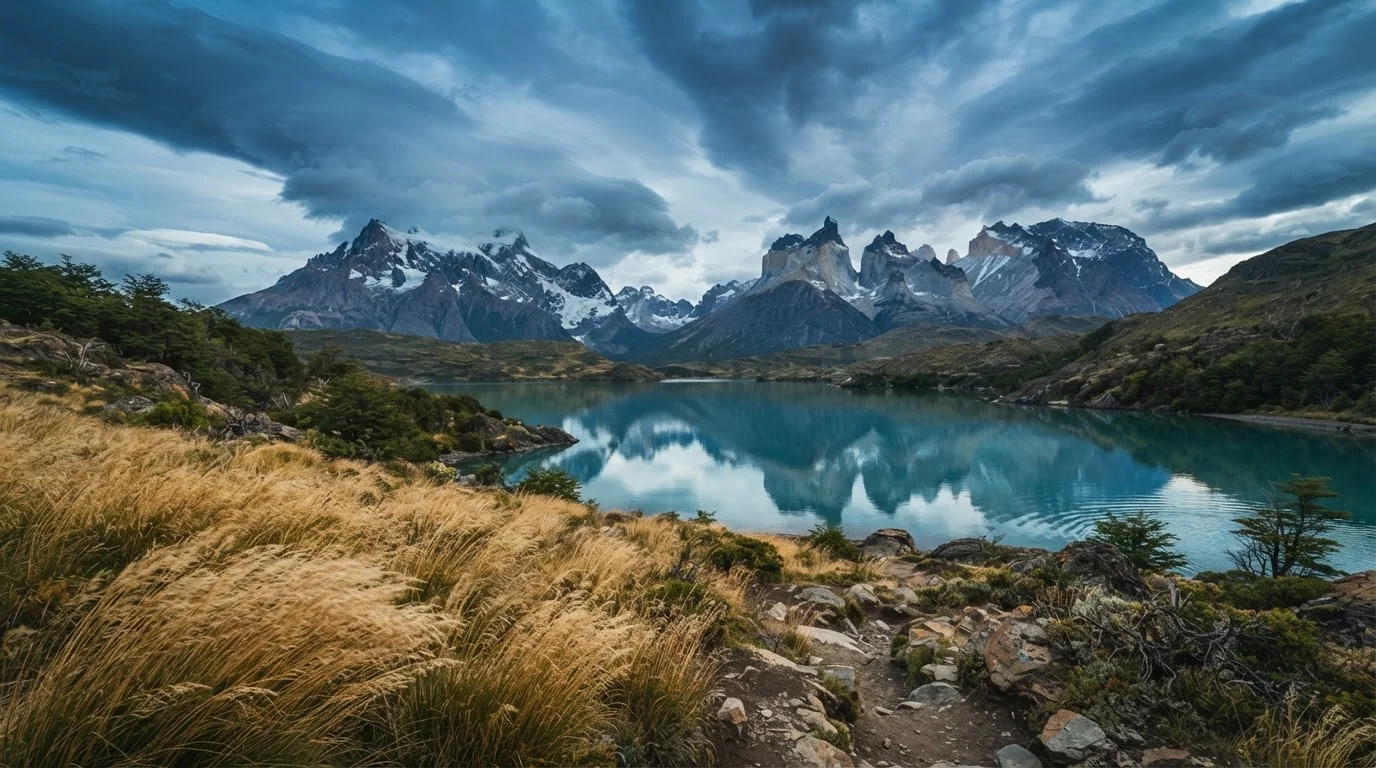
This is the first fork in the road - and it's a real one. Chilean Patagonia is anchored by Torres del Paine National Park, a dramatic UNESCO Biosphere Reserve with iconic granite towers, glaciers, and a well-developed trekking infrastructure. The region also includes the Carretera Austral, a rugged scenic highway stretching roughly 770 miles through remote fjords and temperate rainforest.
Argentine Patagonia centers on different highlights: the Perito Moreno Glacier near El Calafate (one of the few advancing glaciers in the world), the trekking hub of El Chaltén with access to Cerro Torre and Mount Fitz Roy, and the wildlife-rich Valdés Peninsula on the Atlantic coast.
The two sides are not interchangeable substitutes - they're complementary experiences with genuinely different personalities. Chilean Patagonia trends wetter and windier; Argentine Patagonia is drier and, in some areas, more accessible by domestic air. Many travelers with two or more weeks attempt a cross-border loop, but crossing between Puerto Natales (Chile) and El Calafate (Argentina) adds travel time. Verify current border crossing procedures and entry requirements with official government sources before building a cross-border itinerary.
If you can only choose one side, let your primary interest decide: iconic, concentrated trekking with dramatic peaks points to Chilean Patagonia; glacier access combined with excellent day hiking around Fitz Roy points to Argentina.
Travelers who try to cover too much ground in Patagonia often sacrifice depth for breadth - the distances between highlights are punishing and transit days accumulate fast.
Book refugio reservations and campsites on the W Trek the moment they open - typically around late May or June for the following season - and treat that booking date as a hard calendar item.
Peak-season campsites on Torres del Paine's most popular route have consistently sold out within hours of opening in recent years, leaving late planners with no viable alternatives.
Trekking, Driving, or Both: Choosing Your Mode of Exploration
How you move through Patagonia determines which version of it you actually see. Trekkers access landscapes that no road reaches - the full Circuit around Torres del Paine, the backcountry camps near Fitz Roy, the silence of a glacial valley at dusk. The tradeoff is that multi-day treks require advance booking of campsites and refugios (mountain huts), physical preparation, and gear investment.
The driving option - particularly along the Carretera Austral or Route 40 in Argentina - suits travelers who prefer flexibility, traveling with family, or covering more geographic ground. Self-drive trips through Patagonia reward spontaneity: pull over when a condor lands nearby, linger at an estancia (ranch), detour toward a lesser-visited glacier. Rental availability can be limited in peak season, and not all rental agreements permit cross-border driving, so confirm this in advance.
A combined approach is entirely viable for trips of 14 days or more. Day hikes out of a hub like Puerto Natales or El Chaltén let non-technical walkers experience remote terrain without a multi-day commitment. Structuring daily plans with built-in flexibility is especially important in Patagonia, where weather routinely reshuffles the schedule.
Timing Your Visit: Seasons, Wind, and Crowd Trade-offs
Patagonia's trekking season runs roughly November through March (Southern Hemisphere summer). Peak season - December through February - brings the longest days and most reliable temperatures, but also the highest prices, heaviest crowds on popular trails, and the strongest winds, which are notoriously fierce in January.
October and March are widely regarded as shoulder-season sweet spots: fewer visitors, calmer winds on average, and colorful autumn foliage (March in particular). Some high-altitude routes and certain campsites may not be fully open in early October, so verify operating dates directly with park authorities.
Winter (June-August) is not recommended for most trekking - trails close, daylight is limited, and services contract significantly. Wildlife tourism on the Valdés Peninsula follows different seasonal logic: orca activity peaks in March, whale watching (southern right whales) runs roughly July to December. Always check specific wildlife encounter windows against current operator and conservation authority guidance.
Patagonian Wind Is Not Metaphorical
January winds in Torres del Paine can exceed 60 mph, strong enough to knock trekkers off their feet on exposed ridges. This is not an exaggeration locals use for atmosphere - it is a genuine safety consideration. Factor wind into your gear choices (trekking poles, low-profile tent, wind-resistant layers) and build flexibility into your itinerary so you can delay a difficult pass crossing on the windiest days.
Budgeting Realistically for Patagonia
Patagonia consistently surprises first-time visitors with its cost. Remote infrastructure, a short tourism season, and high demand compress supply - expect to pay more than you would for comparable experiences in other South American destinations. Park entrance fees, refugio stays, boat excursions to glaciers, domestic flights, and rental vehicles all add up quickly.
A rough framework: budget-conscious travelers doing a W Trek with camping can manage on significantly less than those staying in refugios or lodges. Cross-border itineraries add transportation costs. Guided expeditions are considerably more expensive but include logistics that save significant planning effort.
For a measured look at how early booking versus last-minute flexibility affects both availability and cost in a destination like this, weighing the real trade-offs between early planning and spontaneous travel offers useful perspective. In Patagonia, early booking is almost always the right call for peak-season travel.
770 mi
Length of Chile's Carretera Austral
The Carretera Austral stretches approximately 770 miles through Chilean Patagonia, connecting scattered communities through some of South America's most remote terrain.
~5 days
Typical W Trek duration
Most trekkers complete Torres del Paine's W Trek in four to five days, covering roughly 45 miles of varied terrain between refugios and campsites.
3 km/yr
Annual advance of Perito Moreno Glacier
Perito Moreno advances at roughly three kilometers per year on average, making it one of the few glaciers in the world that is not in net retreat - a remarkable phenomenon to witness in person.
Permits, Logistics, and Entry Essentials
Torres del Paine's W Trek and Circuit require advance reservations through CONAF (Chile's national forest service) and private refugio operators. Permits for the most popular campsites on the Circuit have historically sold out four to six months ahead for peak season - confirm current booking procedures on the official park website as systems do change.
Argentine national parks, including Los Glaciares (which covers Perito Moreno and Fitz Roy), have their own entry and permit systems. El Chaltén does not currently require trekking permits for most trails within the park, but regulations can change; check with Argentina's national parks authority (Administración de Parques Nacionales) before your trip.
Visa requirements for both Chile and Argentina vary by nationality - verify your specific requirements well in advance through official embassy or consulate sources. For travelers organizing complex multi-destination itineraries across both countries, a complete guide to solo trip planning covers destination research, safety considerations, and staying connected in remote areas.
Travel insurance that covers evacuation from remote areas is strongly advisable. Patagonia's weather and terrain can turn a twisted ankle into a significant situation; standard travel insurance may not cover helicopter evacuation. Read your policy carefully and consult your insurer about coverage specifics before departing.
Explore the broader travel tips hub and trip planning resources for additional guidance as you build out your Patagonia plans.