

Health

What to Know Before Your First Strength Training Session

Share
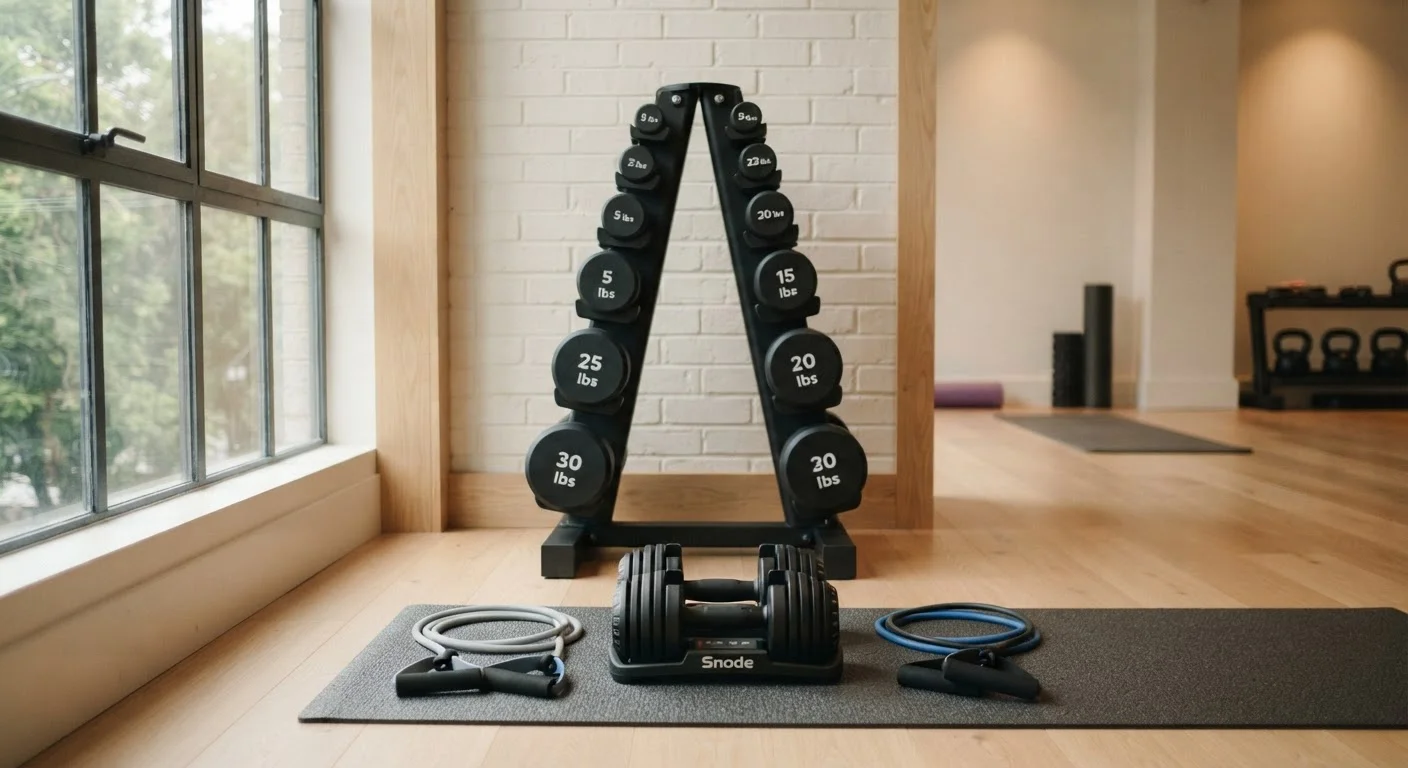
Dumbbells and resistance bands arranged on a gym floor in a clean, organized space

Key Takeaways

Learning proper form before adding weight is the most important step a beginner can take.
Starting with lighter loads than you think you need is a proven way to reduce injury risk.
A brief warm-up and cool-down meaningfully support recovery and long-term consistency.
Consulting a healthcare professional before starting is advisable if you have existing health conditions.
Rest days are not optional — muscle repair happens outside the gym, not inside it.
20–40 min

Summary

18 items · 20–40 minutes to review and prepare

Why Preparation Matters Before You Lift

Walking into a weight room for the first time can feel overwhelming — unfamiliar equipment, confident-looking regulars, and an unspoken sense that everyone already knows what they're doing. The reality is that almost every experienced lifter once stood exactly where you are now. What separates those who stuck with it from those who didn't often comes down to preparation, not natural ability.

Strength training — broadly defined as any exercise that uses resistance to build muscular strength and endurance — offers well-documented health benefits, including improved bone density, metabolic health, and functional mobility. But entering a first session without basic knowledge raises the risk of injury, frustration, or simply quitting. This checklist is designed to close that gap.

If you're new to structured exercise in general, it helps to first understand where strength training fits in the broader picture. The guide to major exercise types provides a plain-language breakdown of aerobic, anaerobic, and flexibility training so you can see how lifting fits into a balanced routine.

This article is for general informational purposes only and is not a substitute for personalized medical or fitness advice. If you have existing health conditions, injuries, or concerns, consult a qualified healthcare professional before beginning any new exercise program.

Before You Arrive

Get medical clearance if you have a chronic condition, recent injury, or haven't exercised in a long time — a brief check-in with your doctor can identify any precautions you should take. Must
Eat a light, balanced meal or snack roughly one to two hours before your session to fuel your muscles without causing discomfort during exercise. Should
Arrive hydrated — drink water steadily throughout the day before your workout rather than trying to catch up right before you train. Must
Plan a simple, beginner-focused routine in advance rather than improvising on the floor; even a basic full-body circuit of three to four exercises is more effective than wandering between machines. Must

Form and Technique Foundations

Learn the movement pattern for each exercise before adding any weight — bodyweight versions of squats, hinges, presses, and rows teach the motor pattern your body will repeat under load. Must
Start with a lighter weight than you think you need; you should be able to complete your planned repetitions with controlled, deliberate movement throughout. Must
Keep your core lightly engaged during every lift — think of it as bracing gently, not sucking in — to protect your spine and improve stability. Must
Move through the full intended range of motion for each exercise rather than using momentum or shortening the movement to lift heavier. Should
Ask a gym staff member, certified personal trainer, or qualified fitness professional to review your form on key movements before your first session ends. Should

Warm-Up and Cool-Down

Spend five to ten minutes warming up with light aerobic movement — walking on a treadmill, cycling, or dynamic stretching — to raise your heart rate and prepare your joints. Must
Include dynamic movements (leg swings, arm circles, hip hinges) that mirror the exercises in your session to activate the relevant muscle groups. Should
After your session, allow five to ten minutes for a cool-down that includes gentle static stretching of the major muscle groups you worked. Should

Safety and Recovery

Never hold your breath while lifting — exhale during the exertion phase (the hardest part of the movement) and inhale during the return. Must
Stop immediately if you feel sharp or sudden pain, joint discomfort, dizziness, or chest tightness, and seek professional guidance before continuing. Must
Schedule at least one to two rest days between sessions targeting the same muscle groups — your muscles repair and grow stronger during recovery, not during the workout itself. Must
Log your exercises, weights, sets, and reps after each session so you can track progress and make gradual, measurable increases over time. Nice to have
Prioritize sleep in the days following your session — research consistently links adequate sleep to muscle repair, performance, and overall exercise adherence. Should
Consider working with a certified personal trainer for your first two to four sessions to establish safe habits before training independently. Nice to have

What to Bring, Know, and Expect

Preparation for a first strength session is less about gear and more about mindset and knowledge. Here's what to have in place before you step onto the floor.

Required

Athletic or Cross-Training Shoes

Provides a stable, flat base for lifting — running shoes with thick cushioning can reduce stability under load.

Required

Water Bottle

Keeps you hydrated throughout your session; dehydration impairs performance and increases fatigue.

Optional

Workout Log or App

Recording exercises, sets, reps, and weights helps you track progress and make systematic improvements.

Optional

Resistance Bands

Useful for warm-up activation exercises and beginner-friendly resistance alternatives to free weights.

Optional

Lifting Gloves or Chalk

Can improve grip comfort during exercises like deadlifts or rows, though many lifters train without them.

Beyond equipment, managing expectations is equally important. Progress in strength training is real but gradual — most beginners notice improved coordination and movement quality within the first few weeks, with visible strength gains developing over several months of consistent effort. Comparing your session to someone else's is one of the fastest ways to derail motivation early on.

If building consistent exercise habits feels like the bigger challenge, the guide to building an exercise habit offers realistic strategies for people who don't already think of themselves as gym-goers. And because physical wellness and mental wellness are closely linked, you might also explore starting a mental wellness routine as a complementary first step.

Pain Is Not Progress

A common misconception is that discomfort during or after lifting is always a sign of a productive session. Muscle fatigue and mild next-day soreness are normal; sharp pain, joint pain, or pain that persists beyond 72 hours is not. Pushing through genuine pain rather than ordinary effort increases the risk of injury that can sideline your progress for weeks. If something feels wrong, stop and consult a qualified professional.

Health Editorial Team is the collective byline for our editorial team and contributor network. Articles published under this byline or an editorial pen name are researched, written, and reviewed according to our editorial standards for clarity, consistency, and independence before publication.

View all articles by Health Editorial Team →
Disclaimer: The content on this site is for informational purposes only and is not a substitute for professional advice. Always consult a qualified professional for guidance specific to your situation.